For two hundred years, the complete works of the great writers were a luxury — handsome multi-volume sets, decently bound, priced for the library of a gentleman and the budget of a bishop. Then, across a single century, that changed completely. The masterpiece came down off the luxury shelf and walked into the ordinary front room, and it did so not through any one heroic act but through a quiet commercial revolution: cheap paper, stereotype printing, the railway, and a handful of publishers who bet that working households would buy the best literature if only someone would make it affordable. This shelf holds the evidence of that bet being won — and one small, stubborn record of it being lost.
Begin with the largest claim of all. The Works of William Shakspeare — the surname spelled the old, documentary way, on purpose — is the entire Shakespeare squeezed onto 921 leaves of thin India paper in a single hand-sized Victorian volume: thirty-seven plays, the poems, the sonnets, a memoir, a glossary, all of it. It belonged to Frederick Warne's Chandos Classics, a series that sold some five million volumes, of which the Shakespeare alone accounted for around 340,000. Read that figure again. A third of a million copies of the national poet, absorbed into ordinary homes where, more often than not, it was the most serious book in the house after the Bible.
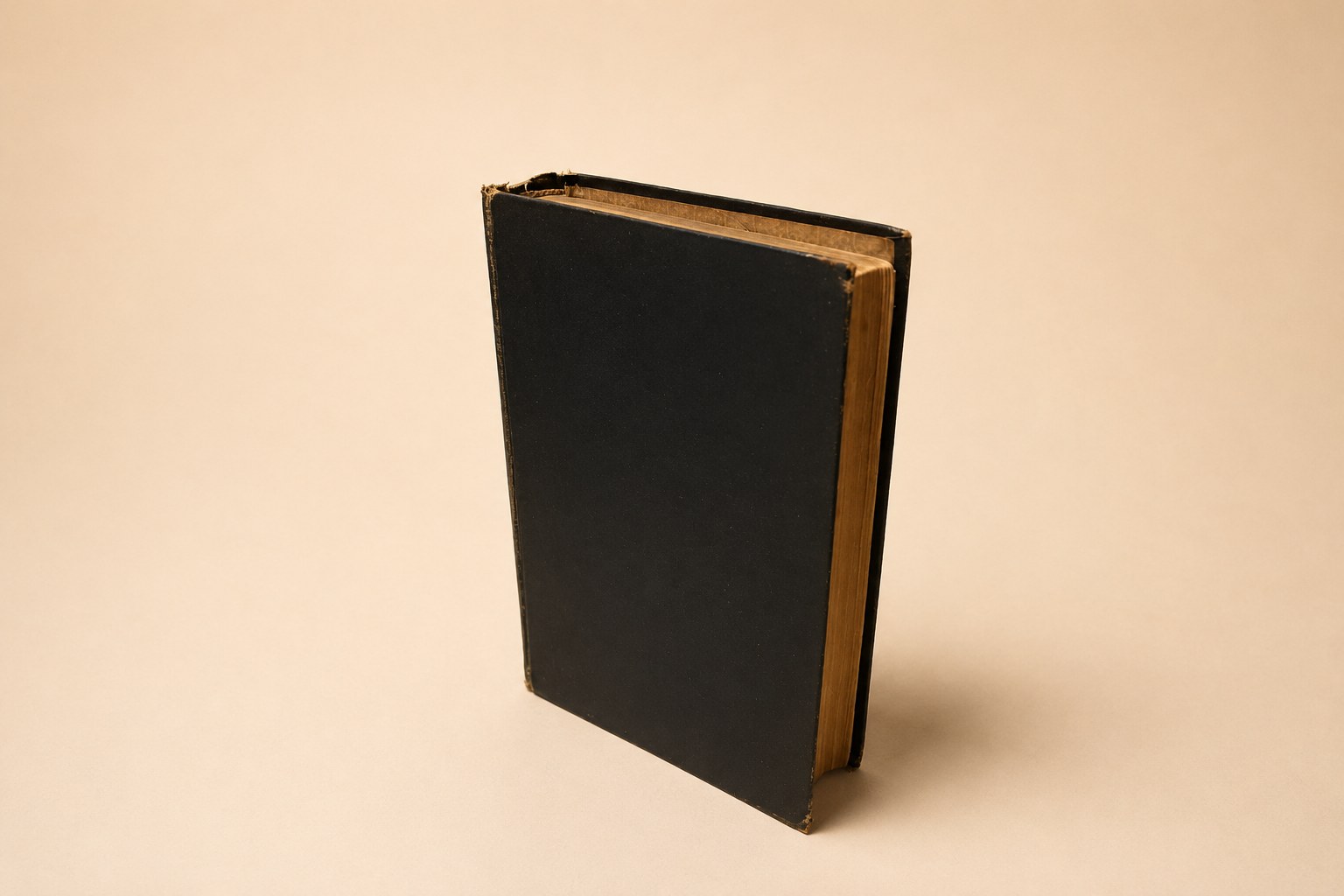
The complete Shakespeare, spelled 'Shakspeare' defiantly, squeezed onto 921 india-paper pages for ordinary Victorian households. One of 340,000 copies that put the national poet in the parlour (Warne, c.1879–1900).
View object →
The firm that did it is a story in itself. Frederick Warne set up on his own in 1865 and built the Chandos Classics into a manifesto: standard English literature, decently printed, at prices a working family could actually pay. The same house would later publish Kate Greenaway, Randolph Caldecott, and, from 1902, a small book about a rabbit in a blue jacket that changed children's publishing forever.

The same impulse, scaled down to the body, produced the pocket Poems by Lord Byron of Blackie's Red Letter Library: gilt-edged, green-clothed, introduced by a major critic, and small enough to live in a coat. And it did not stop with the Victorians. As late as 1968, Heron Books was still working the same seam, mailing uniform illustrated hardbacks of the Russian masters — ribbon bookmarks and all — straight into British sitting rooms by subscription. The Idiot and the two volumes of The Brothers Karamazov arrived this way, Dostoevsky delivered to the door like the milk, with a pencilled £1.25 recording exactly what a masterpiece now cost.
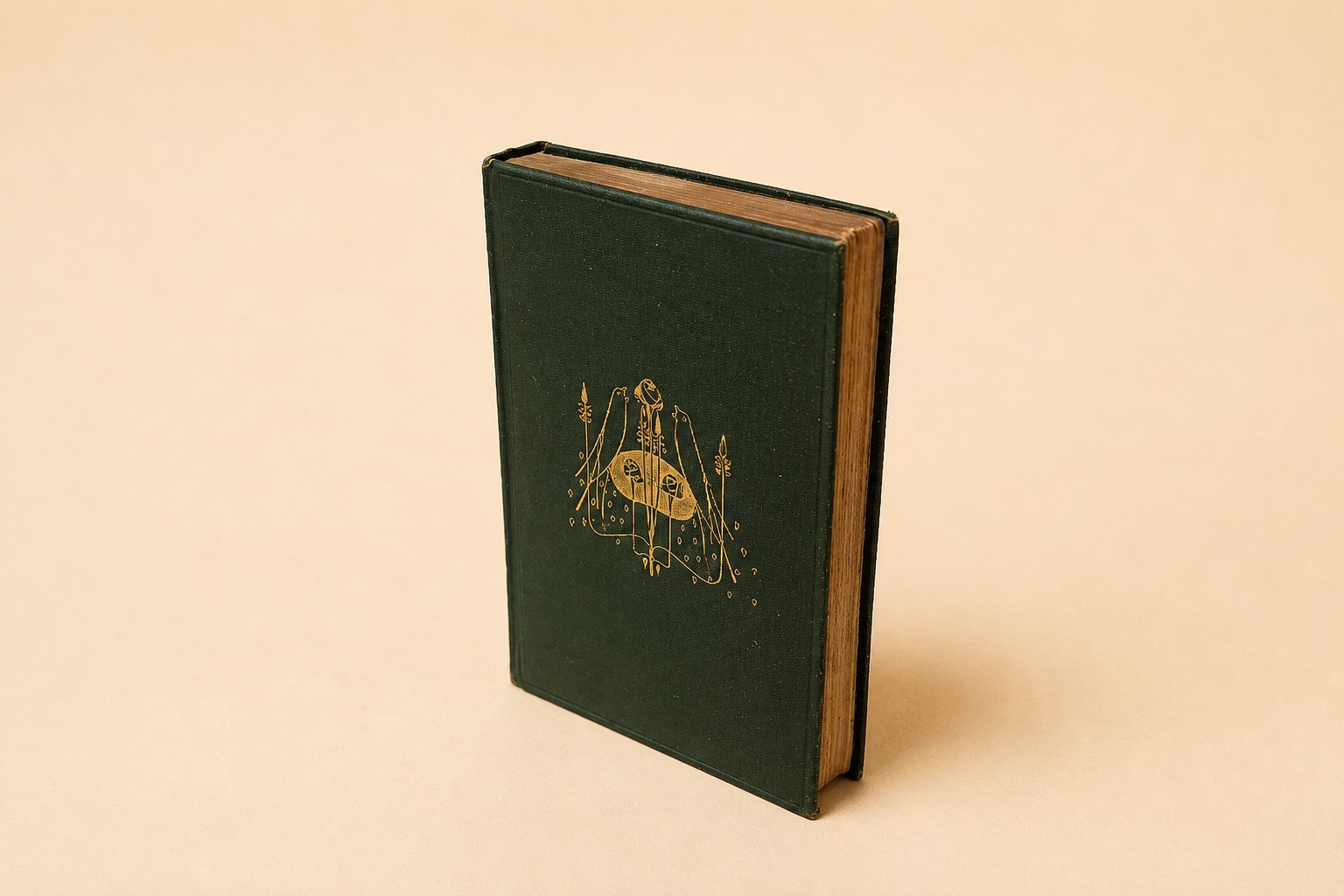
Byron in Art Nouveau gilt, introduced by the critic who brought Symbolism to England, signed in pencil by Cecile Mary Davies two days before Valentine's Day, 1906. Price: one shilling and sixpence.
View object →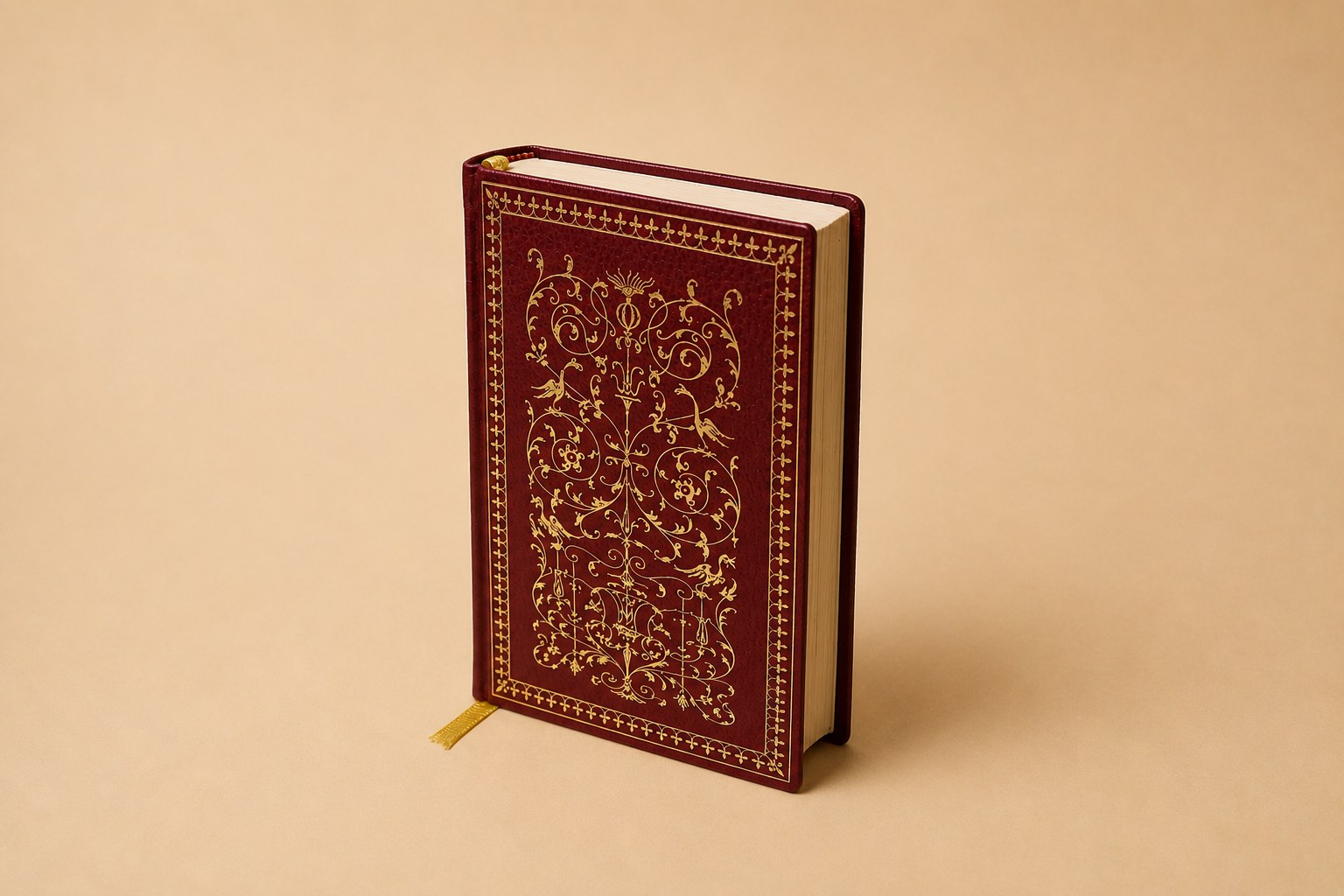
Dostoevsky's experiment in dropping a genuinely good man into society: the 1968 Heron Books gilt-and-leatherette edition, ribbon bookmark intact, spine spelled 'DOSTOEVSKI'.
View object →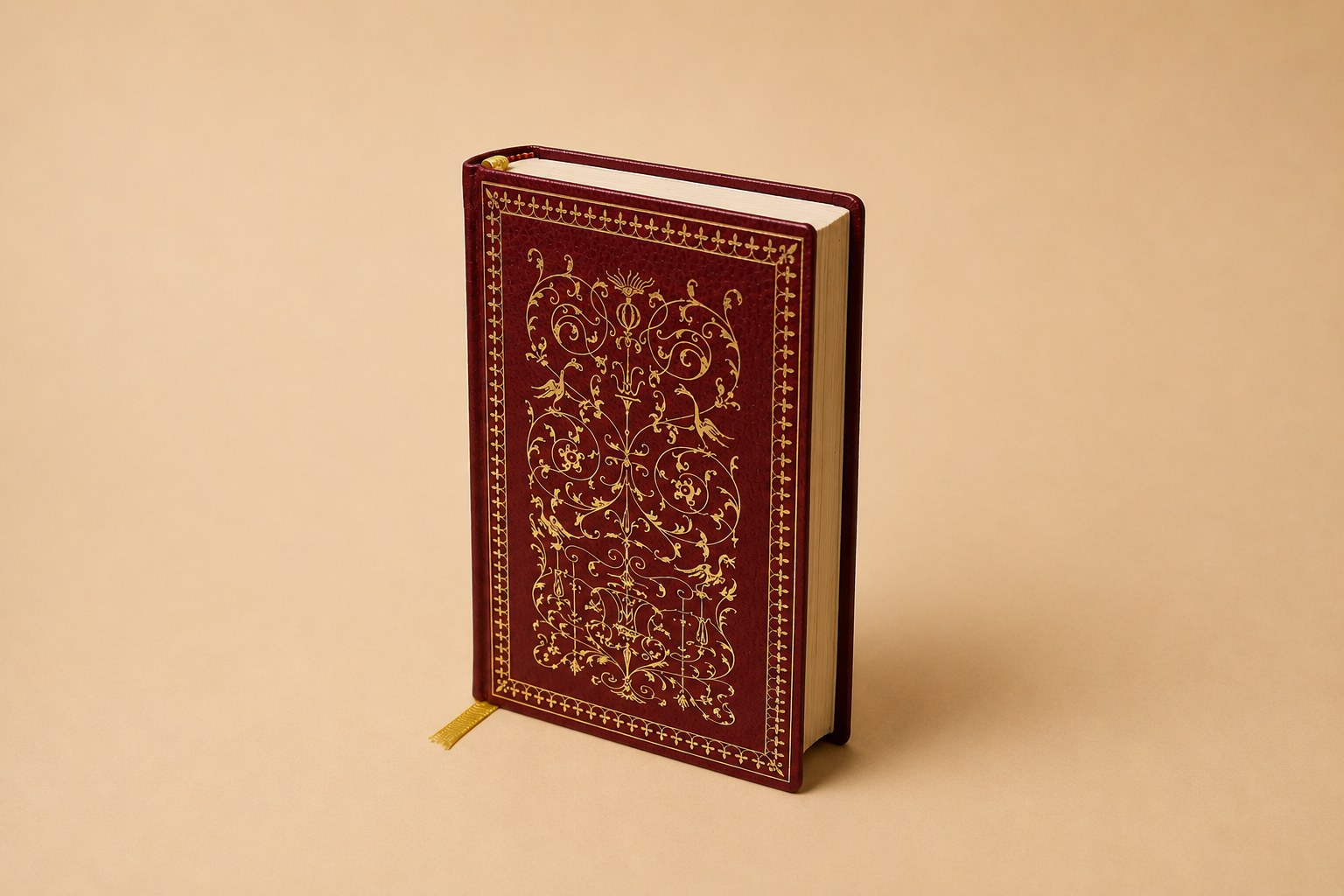
The first half of what Freud called 'the most magnificent novel ever written': Garnett's pioneering translation in the 1968 Heron gilt edition, containing the Grand Inquisitor, with an old £1.25 pencil price as a fossil of its travels.
View object →
The price of a masterpiece is also a measure of who was allowed to own one.
And then, against all of this triumphant machinery, set the one book that proves the rule by failing it. Lady Agnes and Other Poems is the first and only volume of a Manchester poet named Philip Wentworth, who hoped in his 1878 preface "to secure, if possible, a place in the esteem of worthy judges of literature," and got silence instead. No dictionary records him; no second book ever came. He could pay a real Manchester house to print his thirty-one poems — among them, daringly, A Vision of Voltaire — but no commercial engine existed to carry an unknown provincial into the nation's parlours the way it carried Shakespeare and Byron and Dostoevsky.
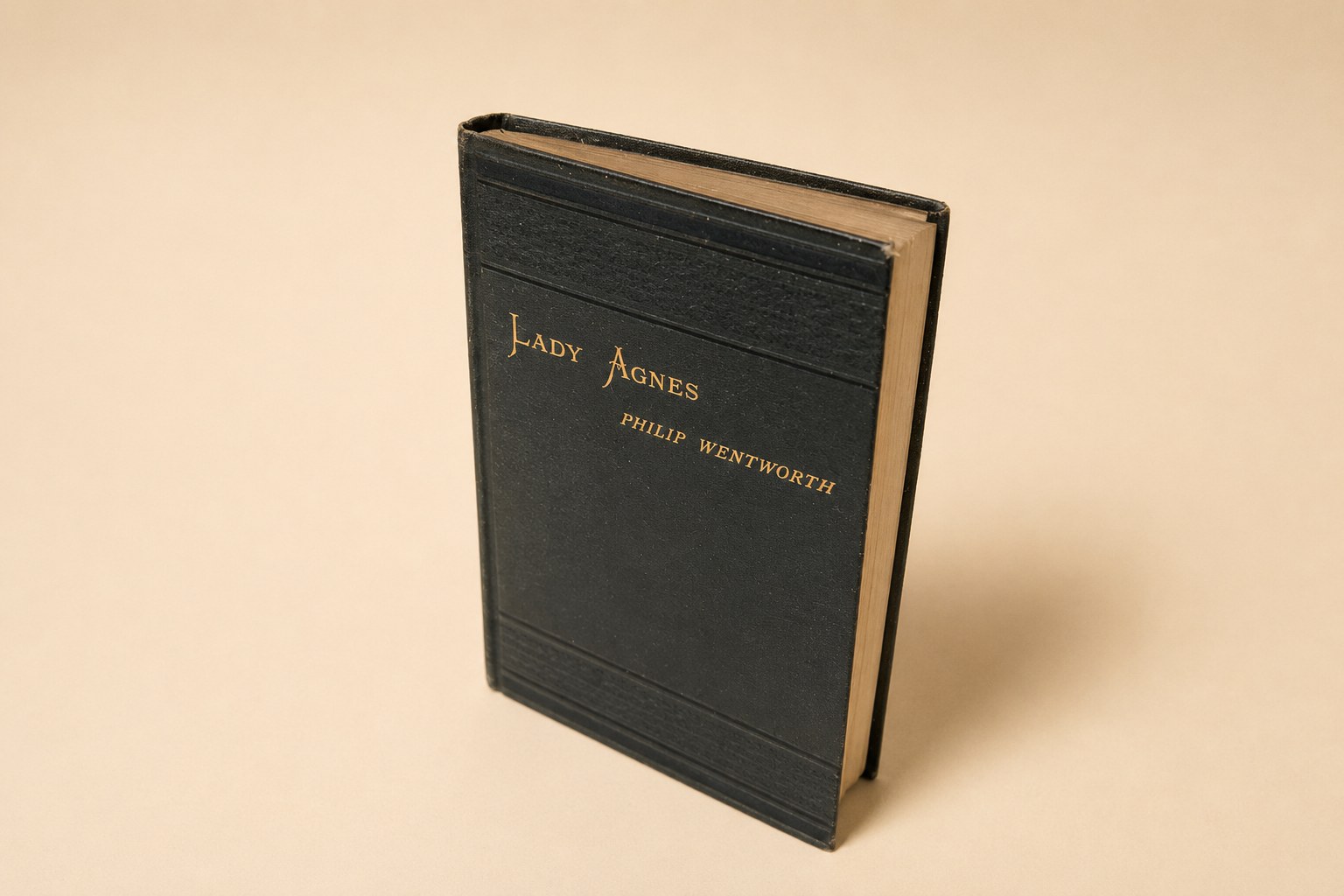
Thirty-one poems by a man history declined to remember: the first and only edition of an unknown Manchester poet's lifework, 1878, with a preface that fires one perfect shot at literary fashion.
View object →
That is why the four belong together. Shakespeare, Byron, and Dostoevsky are what the great democratization of reading did: it took the best that had been written and made it the property of anyone with a shelf and a shilling. Wentworth is the reminder of everyone the machine left behind — the talented, the earnest, the unlucky, who wrote their hearts out and were never carried into the parlour at all. A collection that holds both ends of that story is doing something a bookshop never could: it keeps the bestseller and the forgotten man on the same shelf, at last, and lets the reader decide which one was the worthy judge of literature.
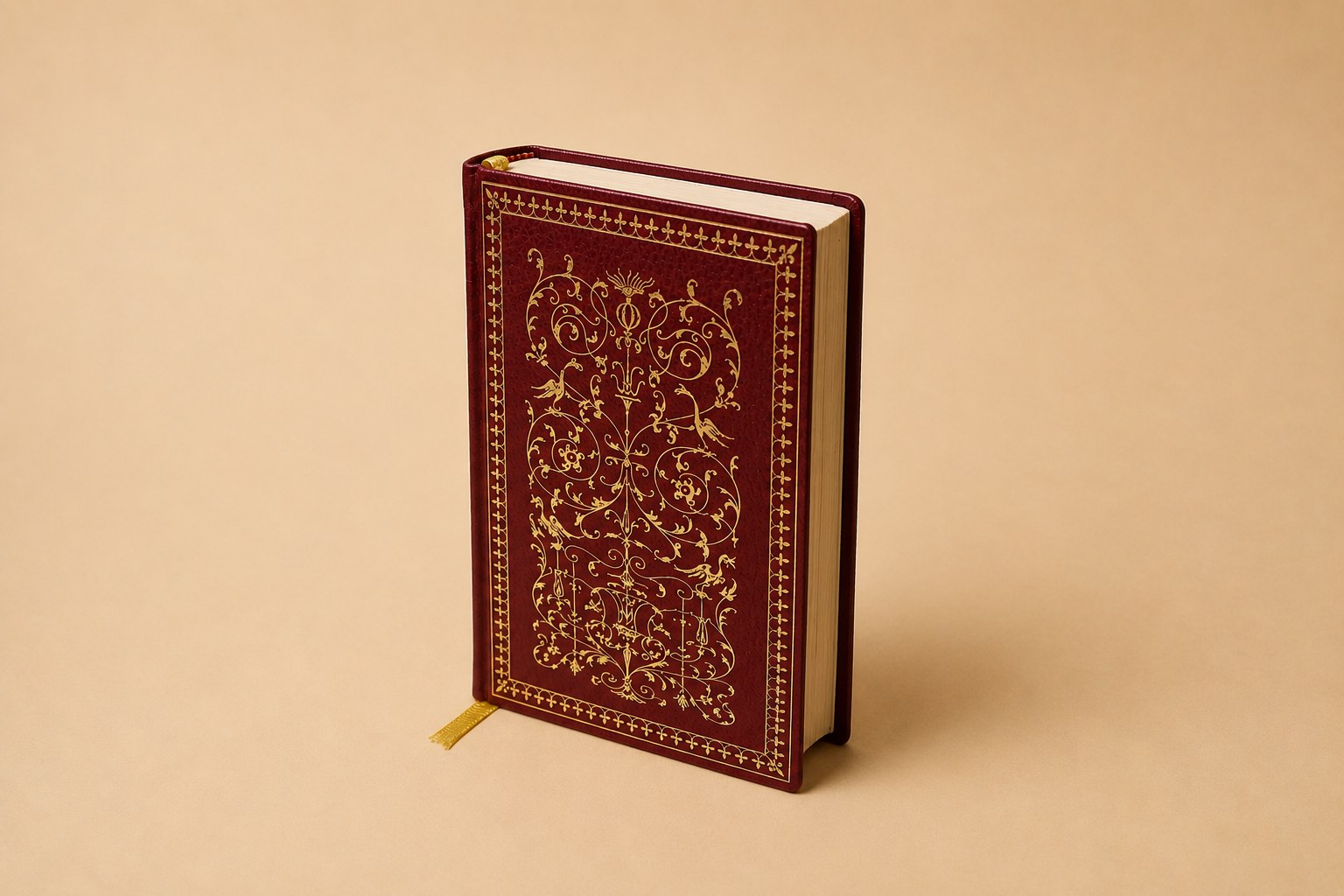
The trial, the devil, and Dostoevsky's last written word of hope: the concluding volume of his final masterpiece in the 1968 Heron gilt edition, completing the set with Volume I.
View object →