Opening
Sigmund Freud called it "the most magnificent novel ever written." Dostoevsky finished it four months before he died, working through epileptic seizures, pouring everything he had concluded about God, doubt, family, and guilt into a murder story about four brothers and their appalling father. This volume opens that story, and contains, in the Grand Inquisitor chapter, what may be the most argued-over forty pages in all of fiction.
The Object
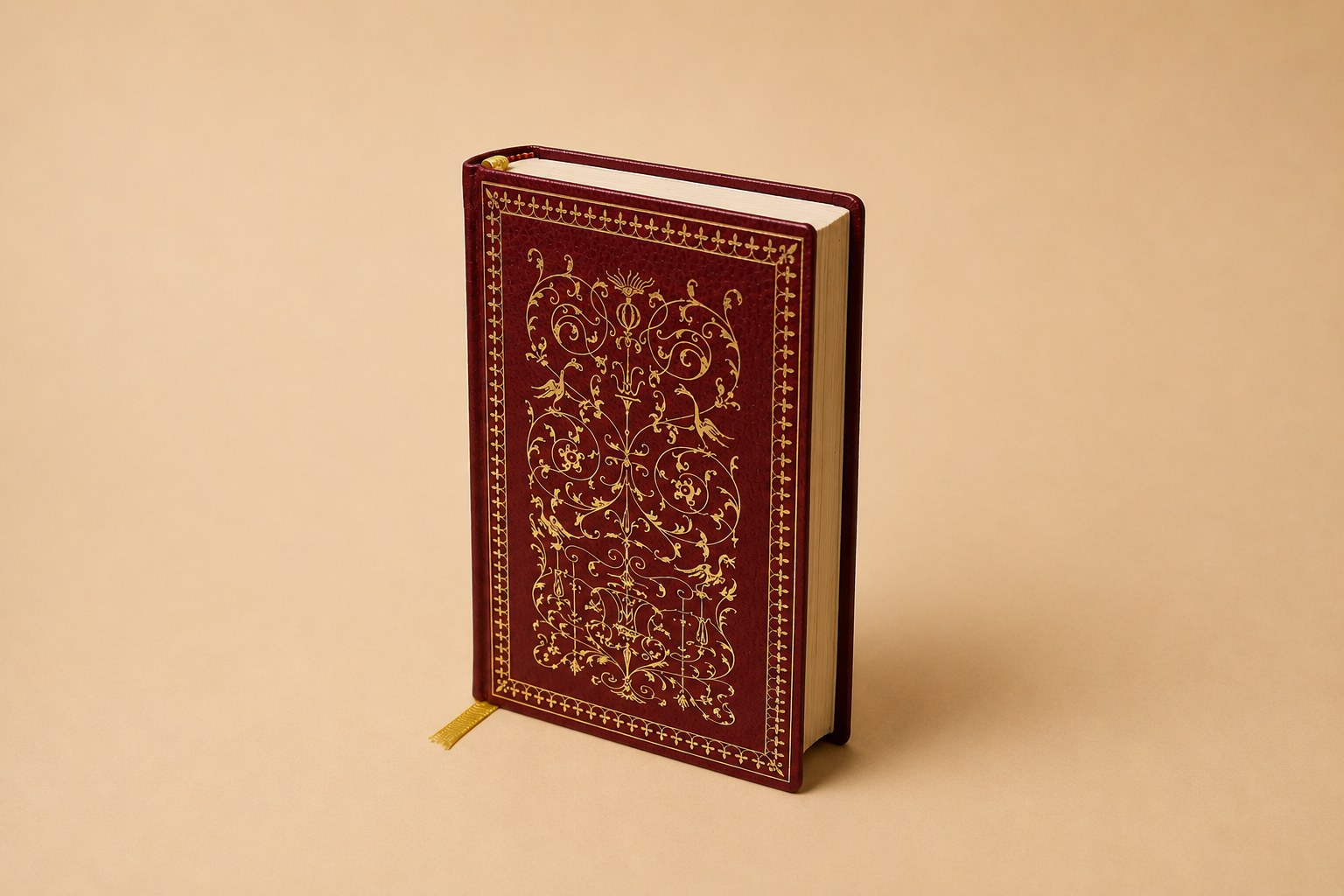
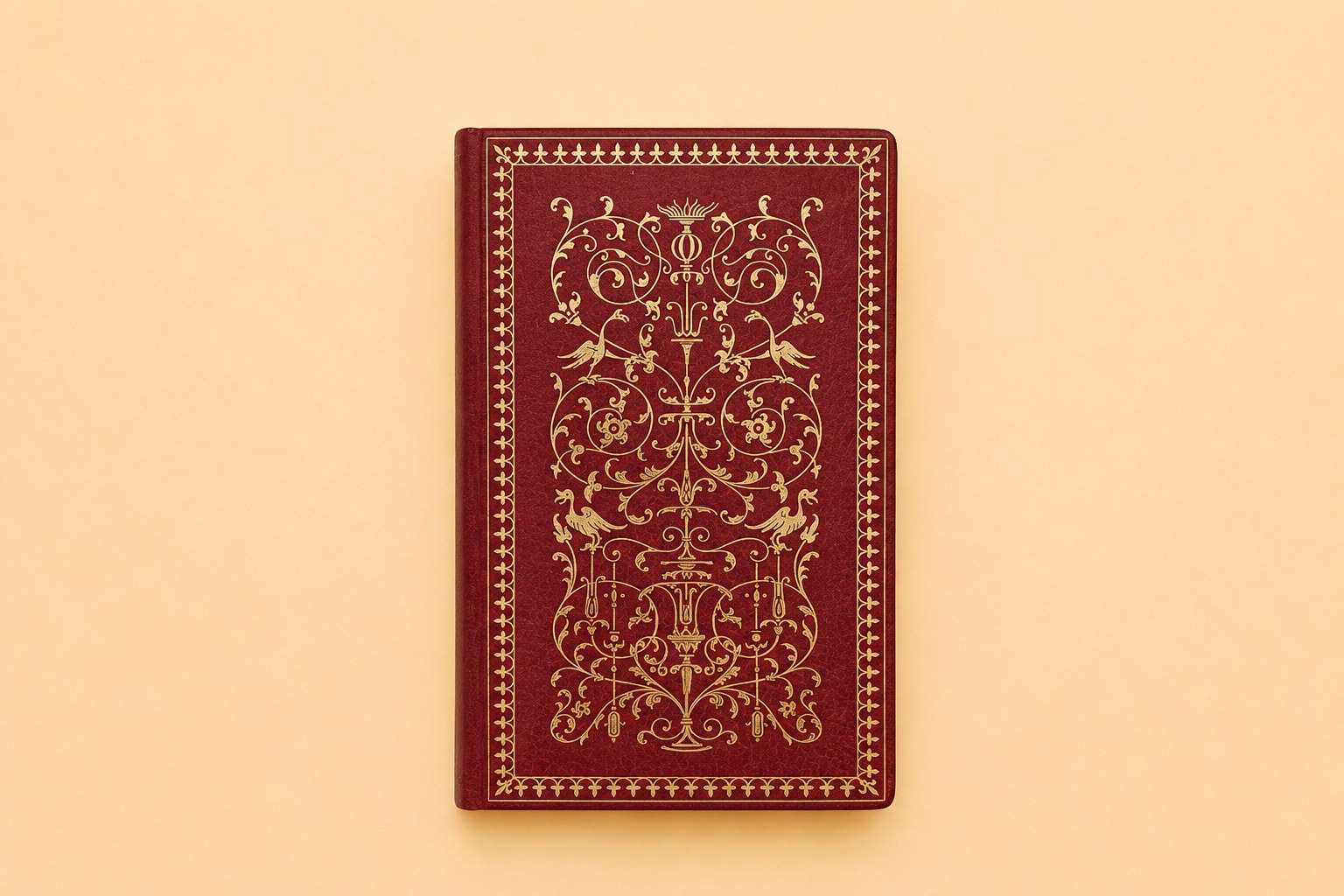
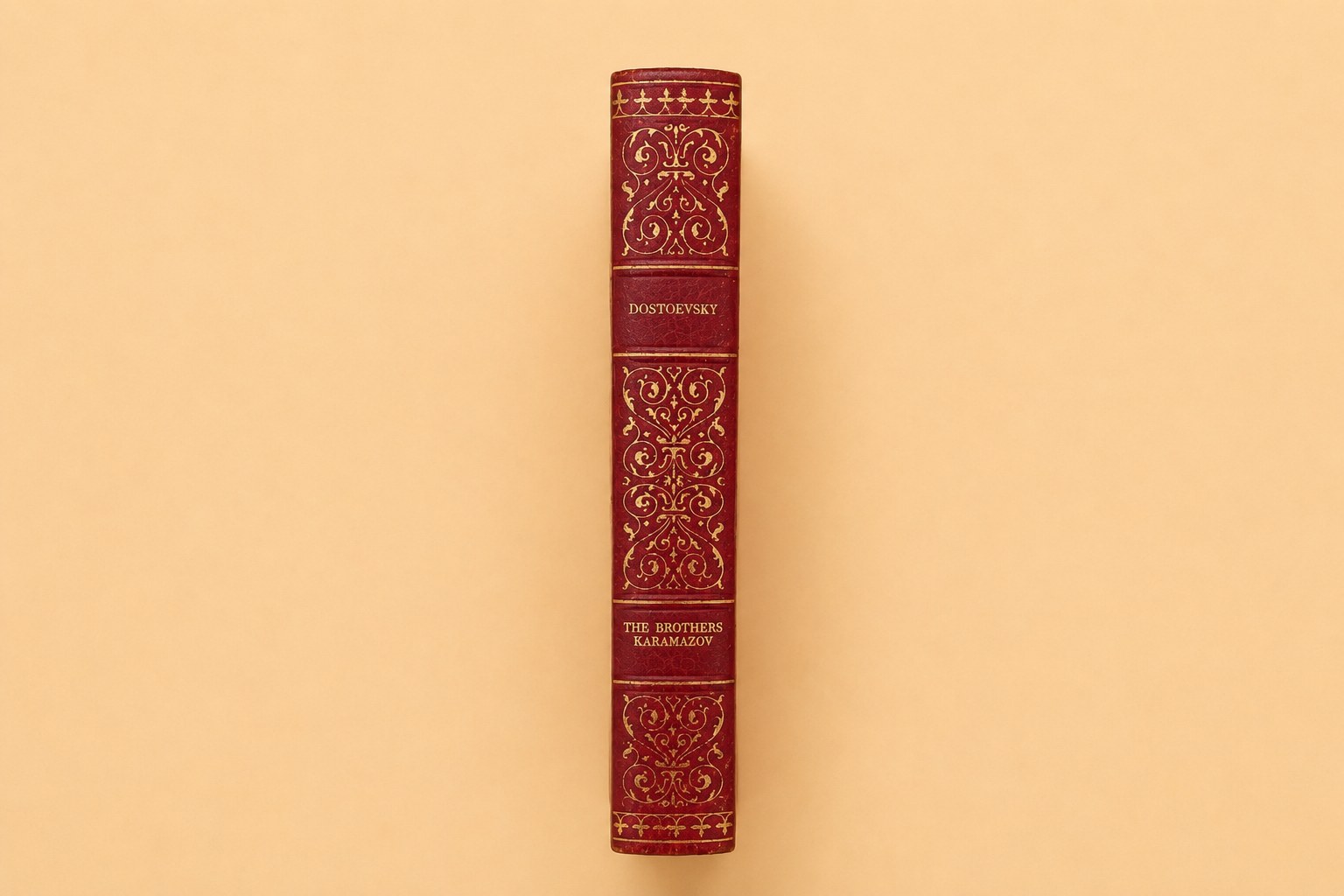
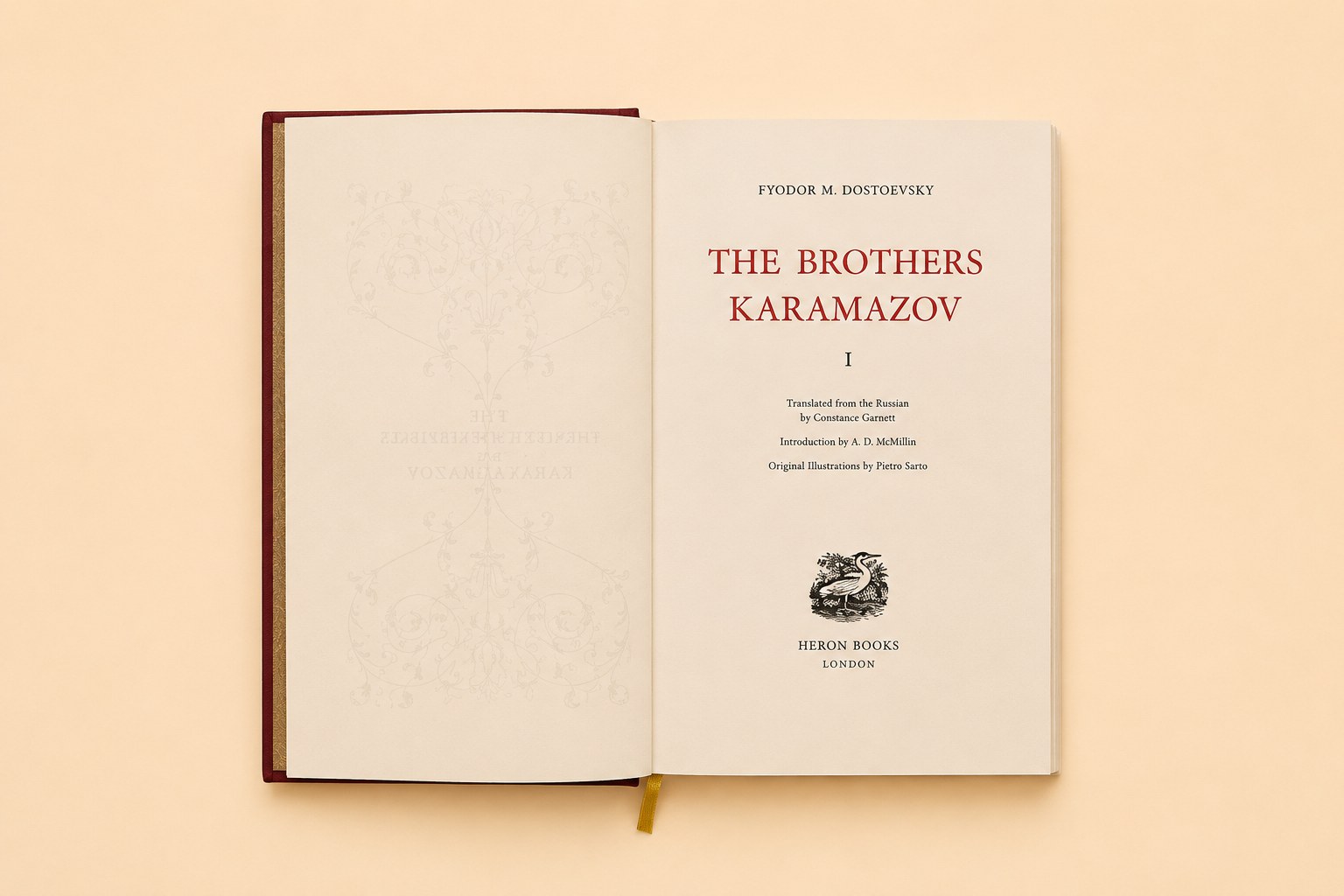
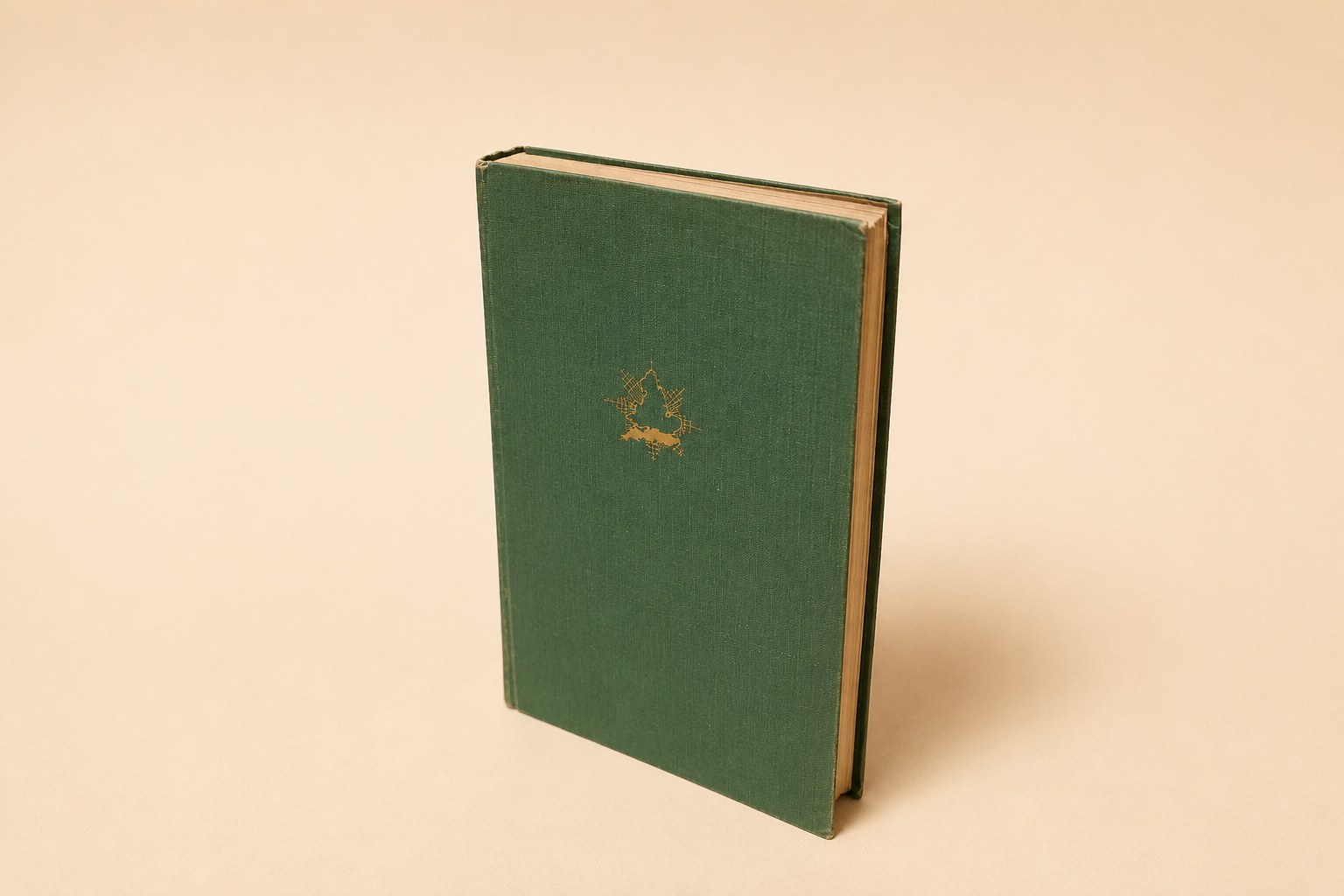
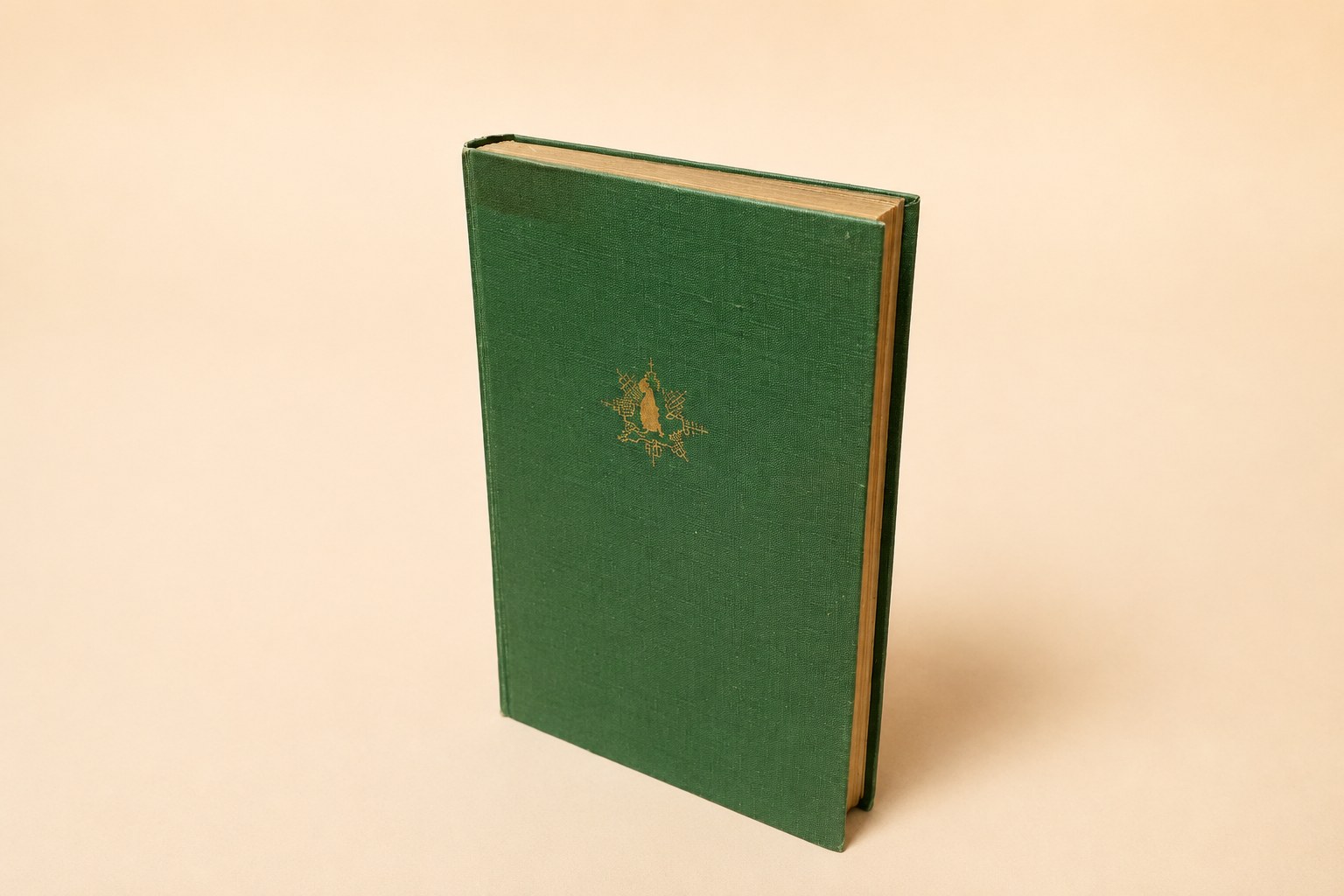
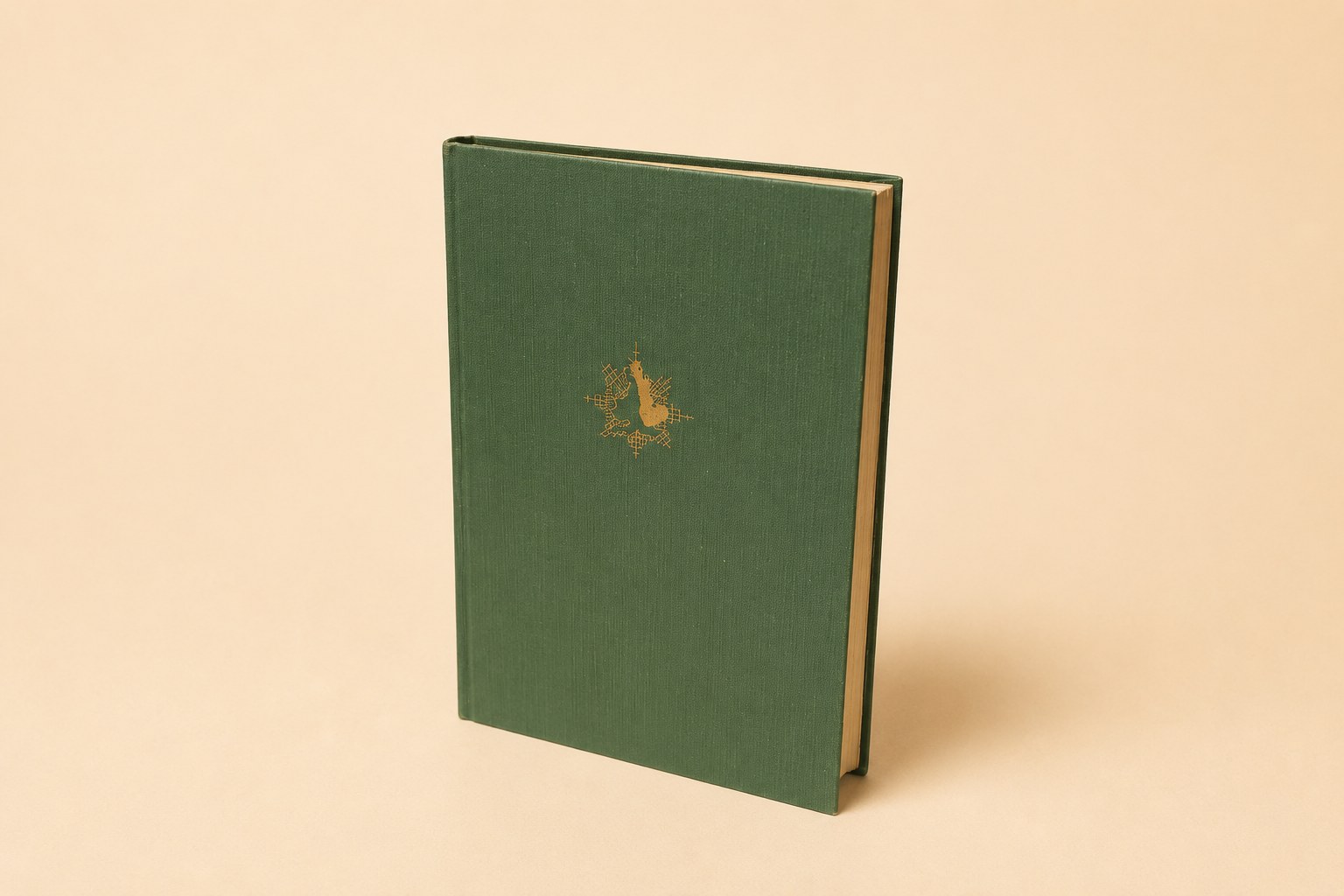
This is Volume I of The Brothers Karamazov in the 1968 Heron Books edition, from The Greatest Masterpieces of Russian Literature series: red leatherette, gilt-blocked boards, tooled spine, built-in yellow ribbon bookmark, produced by Edito-Service of Geneva and printed in Switzerland. It contains Parts I and II (Books I–VI): the Karamazov family laid bare, the gathering at the monastery, Ivan's rebellion, the Grand Inquisitor, and the life of the elder Zosima. The text was licensed from William Heinemann, unlike the same series' Idiot, licensed from Dent: the Heron editors sourced each translation from whoever held it. Illustrations are by Pietro Sarto, with an introduction by the Slavonic scholar A. B. McMillin.
The Maker
The translation is Constance Garnett's (1861–1946), and her story deserves telling. She taught herself Russian, translated some seventy volumes of Russian literature, and rendered this novel in 1912 while her eyesight was failing, working through the Russian text with the page held close. It was through Garnett that the English-speaking world first read Dostoevsky at all; writers from Lawrence to Hemingway absorbed Russian literature in her voice. Modern translators dispute her smoothings, but the debt is not disputed. Dostoevsky himself wrote the novel in 1879–80 as the first instalment of a projected larger work he did not live to write: he died in February 1881, and this "first act" stands as his summa.
The World It Came From
The novel asks the largest questions available (if God does not exist, is everything permitted? can a child's suffering be justified by any cosmic design?) and embeds them in a brutally compelling plot about money, lust, and patricide in a provincial town. Book V of this volume contains Ivan's "Rebellion" and "The Grand Inquisitor," the chapters that have detained philosophers and theologians for a century and a half; Book VI answers them, deliberately, not with argument but with the life of a saint. The 1968 Heron edition carried all of this into ordinary British homes as part of a uniform gilt library: the Cold War era's domesticated, ribbon-marked Russia.
This Copy
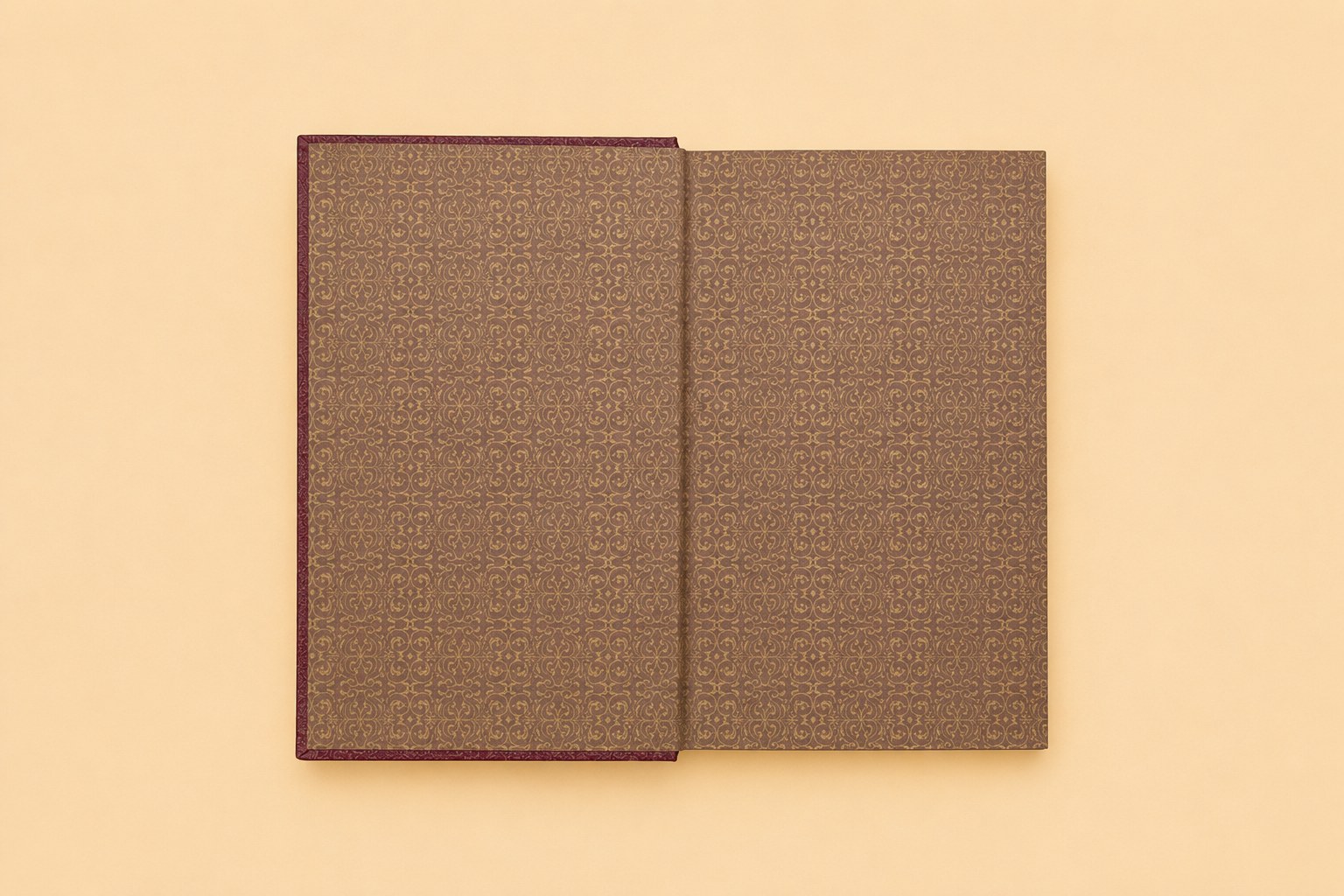
This copy is in excellent condition: spine unbroken, no foxing, internally clean, ribbon intact. The endpaper carries a small pencilled £1.25, an old bookseller's price from some earlier stage of its life: decimal currency, so after February 1971, a tiny datable fossil of the book's journey. Its companion Volume II sits beside it in this collection, completing the novel.
Why It Matters
This is the first half of the consensus candidate for the greatest novel ever written, in the translation that taught English readers to read Dostoevsky, in an edition designed to make owning it ordinary. The object's whole chain (dying author, half-blind translator, Swiss production line, gilt spine, pencilled price) is itself a little parable about how masterpieces actually travel: not as monuments, but hand to hand.
References
- The Brothers Karamazov, Wikipedia
- Fyodor Dostoevsky, Wikipedia
- Constance Garnett, Wikipedia
- The Greatest Masterpieces of Russian Literature series, LibraryThing
- Heron Russian Literature series listing, AbeBooks
- William Heinemann (publisher), Wikipedia
- The Grand Inquisitor, Wikipedia