Books & Literature
A Short History of England
G. K. Chesterton's contrarian 1917 first-edition history of England — a defence of the medieval common man against the Whigs — once owned by a 'Francesca Claremont', possibly the Tudor biographer.

A Private Archive of Antiques & Historical Objects
Books & Literature
G. K. Chesterton's contrarian 1917 first-edition history of England — a defence of the medieval common man against the Whigs — once owned by a 'Francesca Claremont', possibly the Tudor biographer.
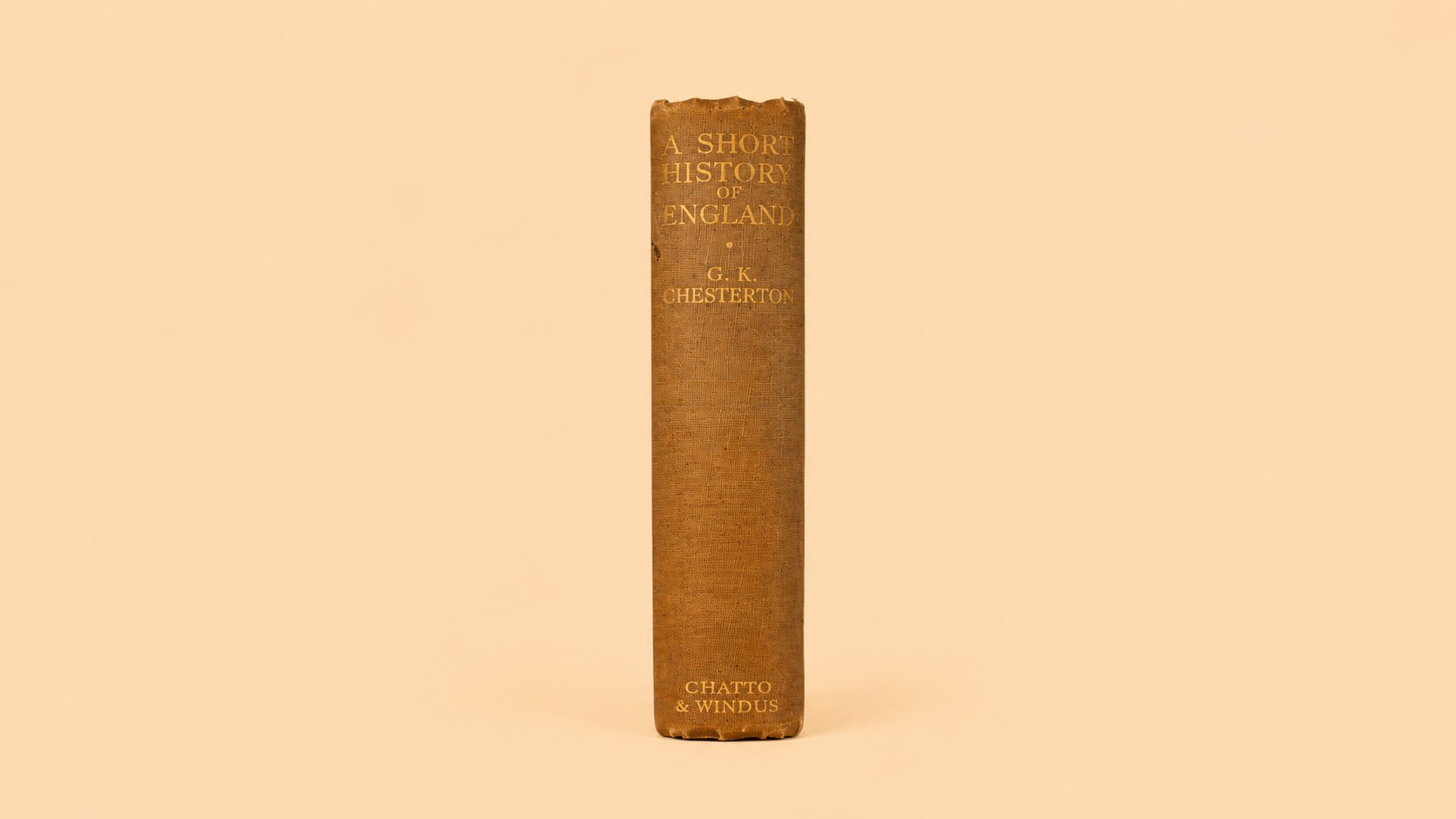
This is a history book with almost no dates in it, and that is entirely the point. Written and published in the middle of the First World War, G. K. Chesterton's A Short History of England is less a chronicle than a sustained, mischievous argument: that the ordinary medieval Englishman was freer and happier than his modern descendant, and that the historians had been lying about it ever since. This copy is a 1917 first edition, its spine bleached to pale tan by decades of light, and on the flyleaf a former owner has written a name worth pausing over: Francesca Claremont.
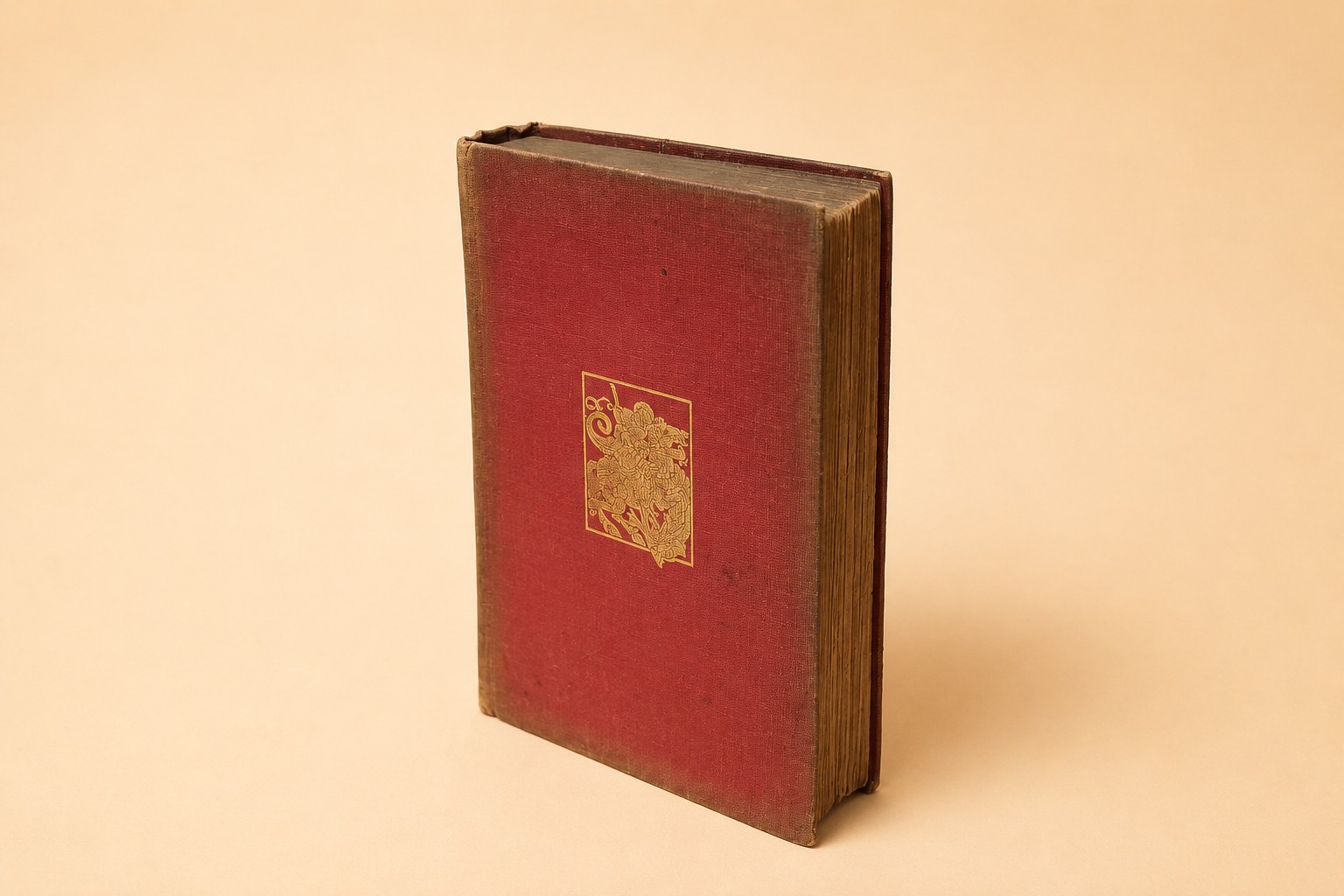
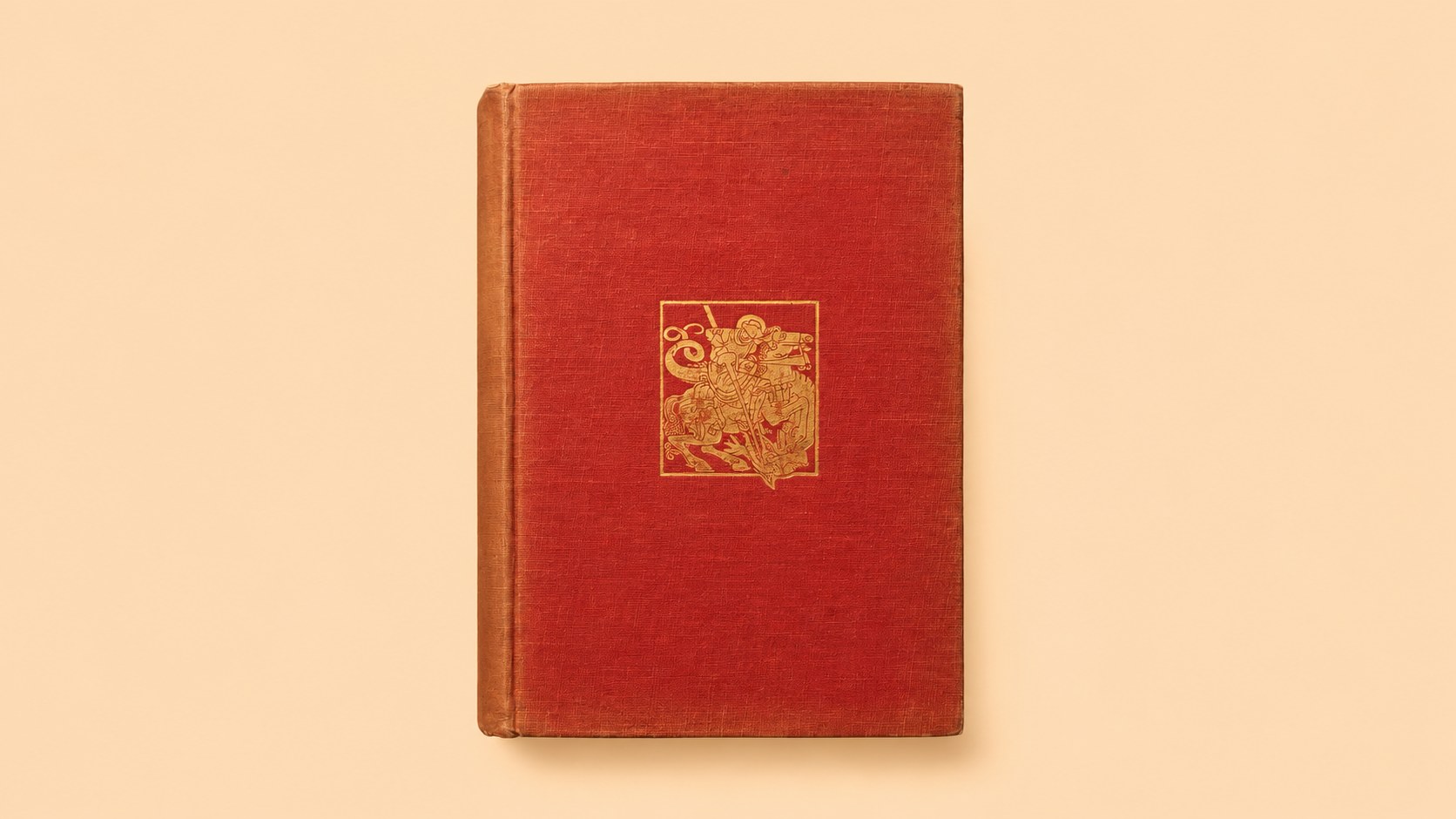
The title page is austere and confident — A Short History of England by G. K. Chesterton, London, Chatto & Windus, MCMXVII — with the publisher's little CW helmeted-head device on the following leaf and the imprint of William Clowes & Sons of London and Beccles on the verso. It is a slim cloth-bound octavo of 238 pages, the boards red with a gilt heraldic stamp, the spine faded to tan and a little frayed at the head. The chapter list alone signals the tone: The Meaning of Merry England, The Rebellion of the Rich, The War of the Usurpers, The Return of the Barbarian.
Chesterton (1874–1936) — essayist, novelist, creator of Father Brown, and one of the great English controversialists — wrote this as, in his words, “a popular book of history written from the standpoint of a member of the public.” His thesis is frankly polemical: that ancient and medieval England were more democratic and humane than the modern nation, and that the Whig version of history had been written “against the people,” trampling the popular traditions of the Middle Ages. In his telling, Henry VIII's reforms let the aristocracy steal common wealth and power that was never given back — an argument rooted in the Distributism he and Hilaire Belloc championed. It is history as advocacy, brilliant and exasperating by turns, and unmistakably his.
1917 matters to the book. It appeared at the darkest stretch of the First World War, when England was asking itself hard questions about what, exactly, its people were being asked to die for. Chesterton's romantic, anti-Whig, pro-common-man account — a defence of “Merry England” and the medieval poor against centuries of aristocratic and Protestant triumphalism — reads as a wartime statement about national identity as much as a history. Whatever one makes of its accuracy (critics then and now note it contains scarcely a verifiable date), it is a vivid primary document of how one of the era's most famous minds wanted England to understand itself.
The book is in fair condition and wears its history openly: the spine sunned and lightly frayed, the paper foxed, and — a real defect — the first leaf apparently removed, cut or scraped out at some point in its life. Its compensating interest is the pencilled ownership name on the flyleaf, Francesca Claremont. A writer of that name published a well-regarded biography, Catherine of Aragon (Hale, 1939), as well as The Shepherd's Tune — and the 1939 biography is no forgotten book: it is still cited in current Catherine of Aragon scholarship. It is an appealing thought that a historical biographer once owned Chesterton's wayward history of England, though the identification can only be offered as a possibility, not a fact. Of Claremont herself the record is strikingly bare — no dates, no biography, no other traced works — enough so that the name may itself be a pseudonym, a common practice in Hale's historical list of the period. The outstanding checks are the author note on a jacketed copy of the 1939 book and the British Library catalogue's cross-references.
The text is freely available and the printing is common, but a 1917 first edition is the form in which Chesterton's argument first reached the public, in the year it was meant to land. As an object it carries two of the things this collection most values: a precise historical moment (wartime England arguing about itself) and a human trace (an owner's name that opens, even if it cannot close, a small line of inquiry). The missing leaf keeps it honest as a Fair-condition reading copy; the Claremont signature keeps it interesting.
Provenance
Chatto & Windus, London, 1917 (MCMXVII); first edition (printed by William Clowes & Sons, London and Beccles). Pencil ownership name on the front flyleaf: 'Francesca Claremont'. A Francesca Claremont wrote 'Catherine of Aragon' (Hale, 1939) — still cited in current scholarship — and 'The Shepherd's Tune'; whether the owner of this copy is the same person is an attractive but UNCONFIRMED inference. No biographical record of Claremont has been traced (no dates, no other works), raising the possibility the name is a pseudonym; outstanding checks are the 1939 dust-jacket author note and BL catalogue cross-references. The first leaf (half-title or front blank) appears to have been removed/excised. One of a group of 19 books acquired together in February 2026 (the Odhams 'Fifty' lot); acquisition cost in the Ledger. NOTE: Era field reads 'Edwardian' but the book is 1917 (George V / WWI) — schema lacks a WWI-era option; flagged for a schema decision.
England South
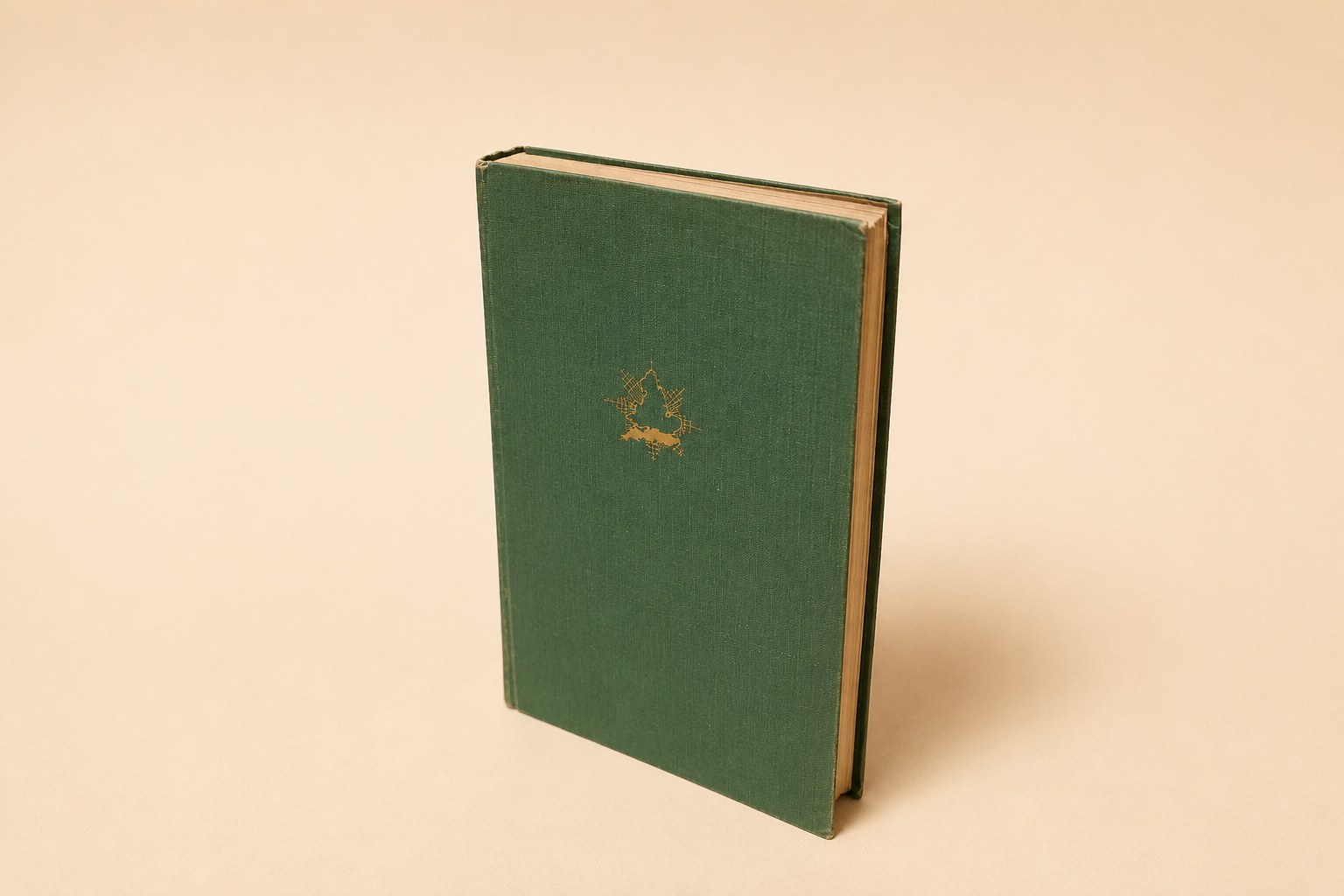
Forty years of sketch-books opened in the year England needed them most: the first volume of Sydney R. Jones's illustrated journey through the southern counties, from London to the very end of Cornwall (1948).
England West
The trilogy's longest journey: Thames to Hadrian's Wall through Cotswold wool churches, Shakespeare country, the Marches, and the industrial North. The richest of the three volumes in architectural range (1950).
England East
The farewell volume: Jones closes his life's work with a journey from the Thames to the Scottish border, saluting Durham coalminers alongside Northumbrian castles, under an epigraph about ashes and graves (1954).