Books & Literature
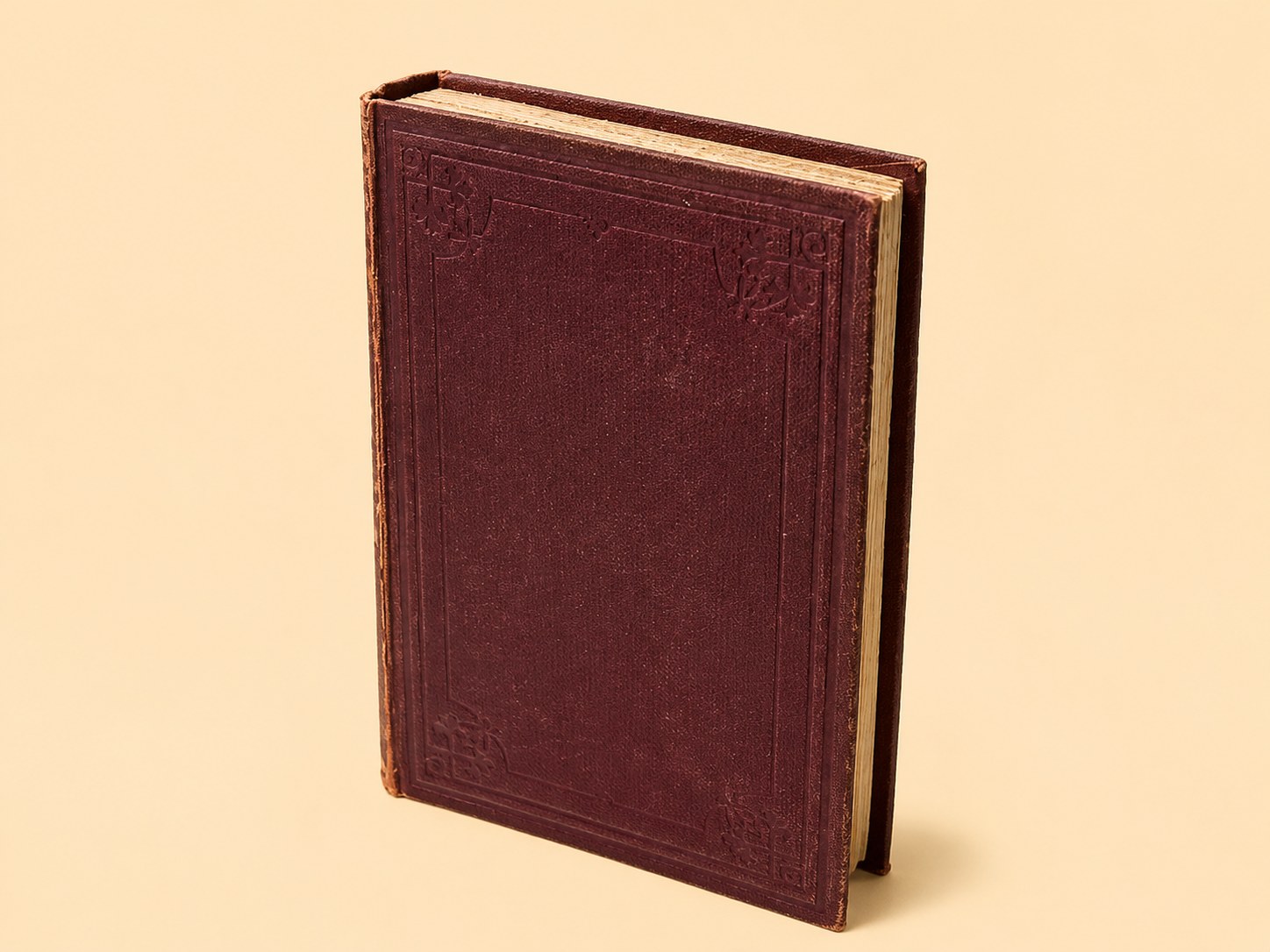
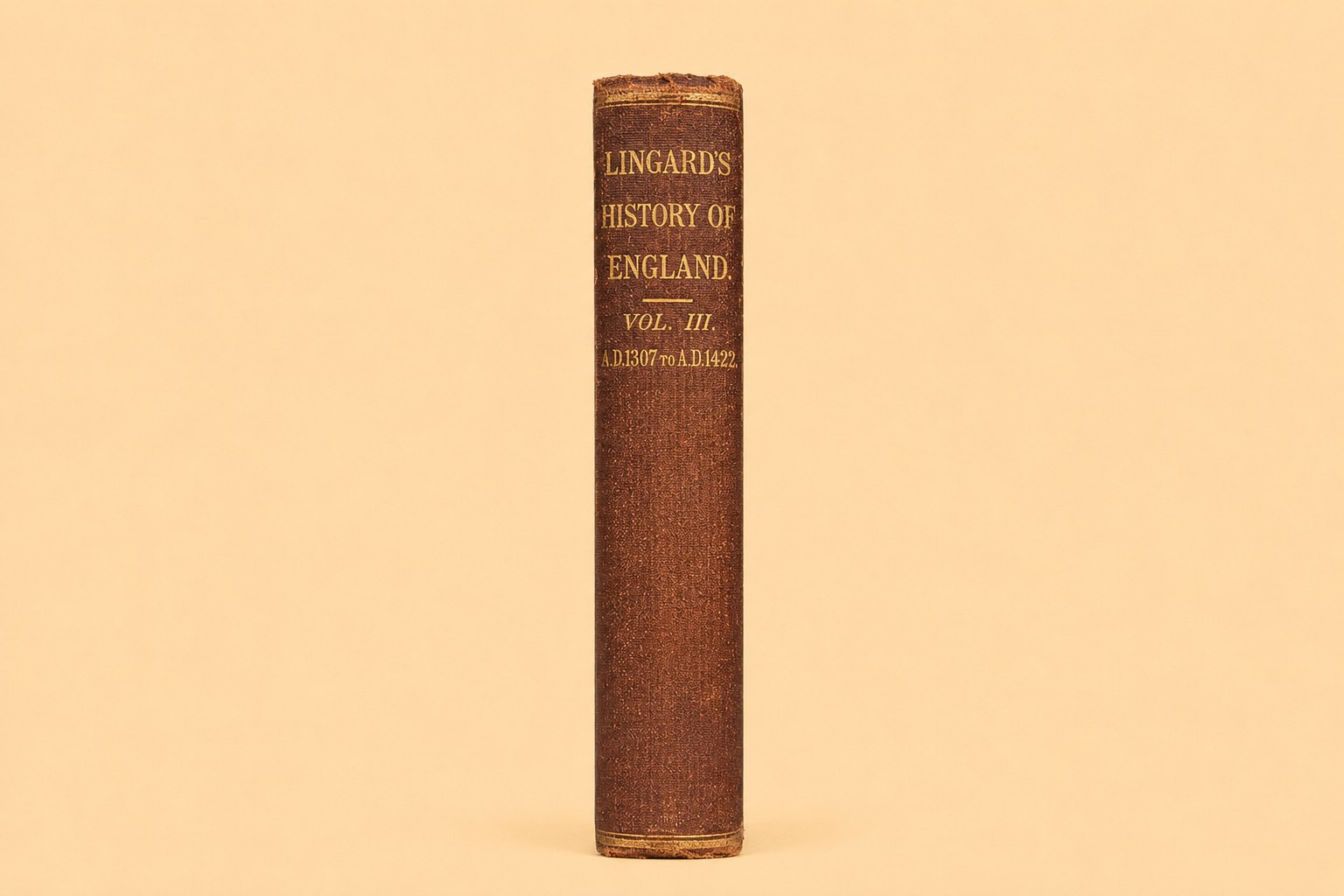
Lingard's History of England, Vol. III
Volume III of Lingard's history — the fourteenth century: Crécy, Agincourt, the Black Death, and the first fuse toward the Reformation in Wycliffe.

A Private Archive of Antiques & Historical Objects
Books & Literature
Volume III of Lingard's history — the fourteenth century: Crécy, Agincourt, the Black Death, and the first fuse toward the Reformation in Wycliffe.
The century of war, plague, and revolt. Volume III spans the fourteenth century and the opening of the fifteenth — an age in which England fought its longest war, lost perhaps half its people to a single pandemic, and twice deposed an anointed king.
Edward II, defeated by the Scots at Bannockburn in 1314 and deposed and murdered in 1327; the long reign of Edward III, who claimed the French crown and opened the Hundred Years' War, winning Crécy (1346) and Poitiers (1356) and founding the Order of the Garter; the Black Death of 1348–49 and the social upheavals that followed it; the reign of Richard II, the Peasants' Revolt of 1381, and his deposition in 1399 by Henry Bolingbroke, founder of the house of Lancaster; and the short, brilliant reign of Henry V, whose victory at Agincourt (1415) and the Treaty of Troyes (1420) made him heir to France — closing with his death in 1422.
Two strands engage the Catholic historian especially. The first is the age's friction between the Crown and the Avignon papacy, and the resulting Statutes of Provisors and Praemunire — the first legal limits on papal authority in England, which Protestant historians liked to read as a proto-Reformation. The second is John Wycliffe and the Lollards, England's first native heresy. Lingard handles both as a careful narrator rather than a partisan, registering the conflict without conceding the Whig claim that the medieval English Church was straining naturally toward Protestantism.
It is the volume of Crécy and Agincourt and the Black Death — some of the most dramatic raw material in English medieval history — and also the volume in which the long fuse toward the Reformation is first visibly lit, in Wycliffe and in the anti-papal statutes. Lingard's measured handling of that fuse is a quiet rebuttal of the providential national story.
Provenance
Sixth Edition; Charles Dolman, London, 1854–55. One of nine volumes held of the ten-volume set (the set lacks only Vol. IX, A.D. 1660–1680). No ownership inscription noted. Part of a 27-book lot acquired February 2026; cost in the Ledger.
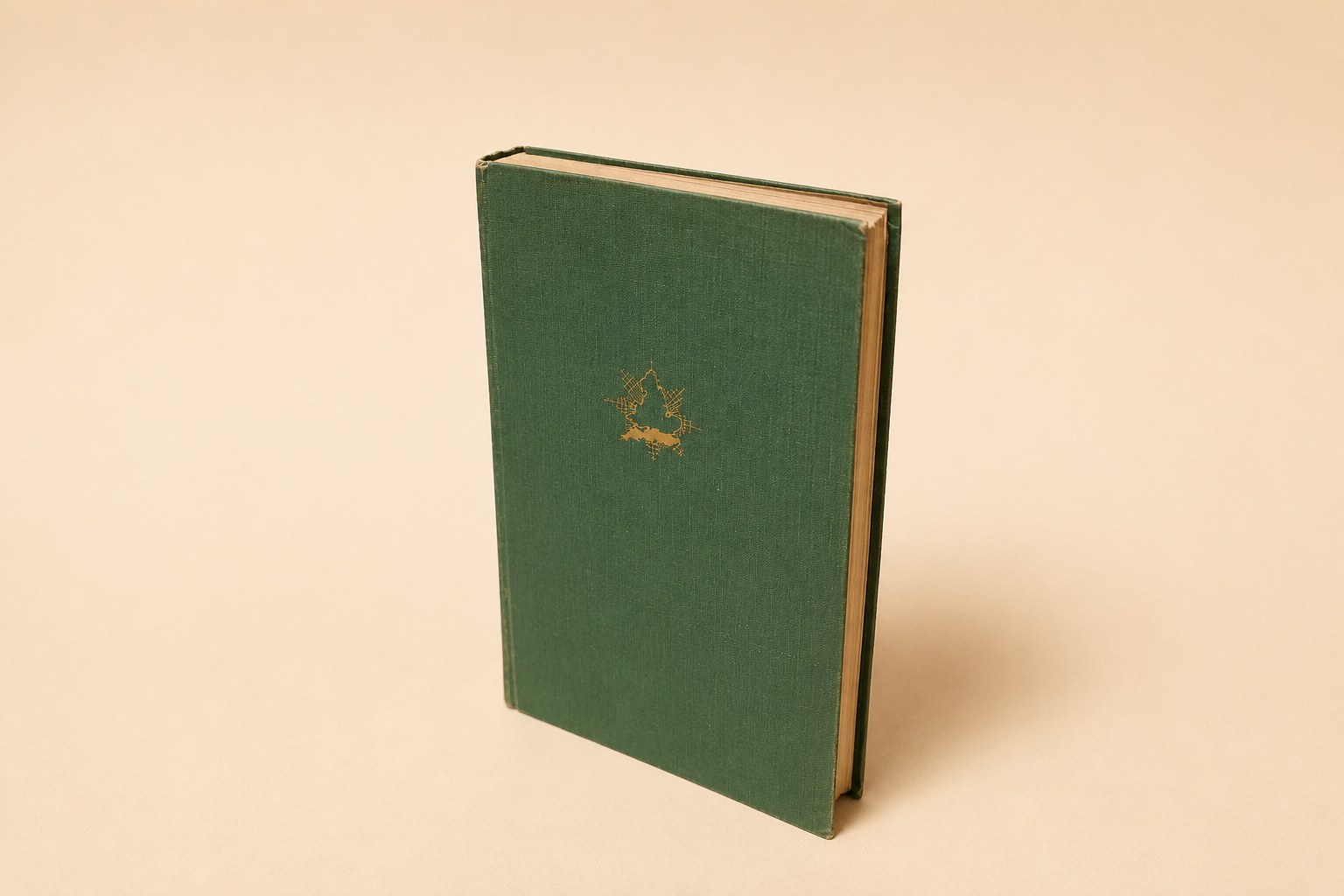
England South
Forty years of sketch-books opened in the year England needed them most: the first volume of Sydney R. Jones's illustrated journey through the southern counties, from London to the very end of Cornwall (1948).
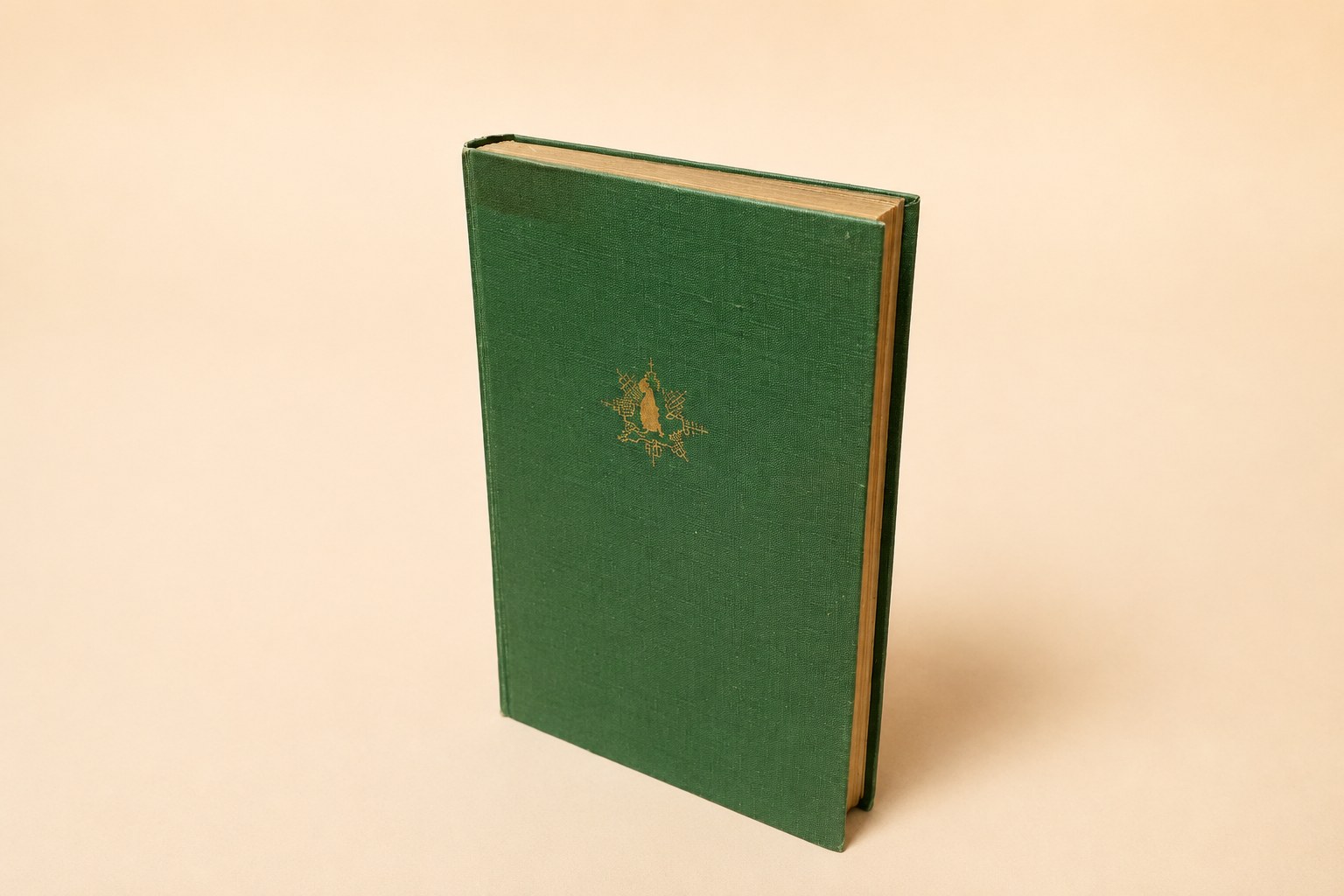
England West
The trilogy's longest journey: Thames to Hadrian's Wall through Cotswold wool churches, Shakespeare country, the Marches, and the industrial North. The richest of the three volumes in architectural range (1950).

England East
The farewell volume: Jones closes his life's work with a journey from the Thames to the Scottish border, saluting Durham coalminers alongside Northumbrian castles, under an epigraph about ashes and graves (1954).