Books & Literature
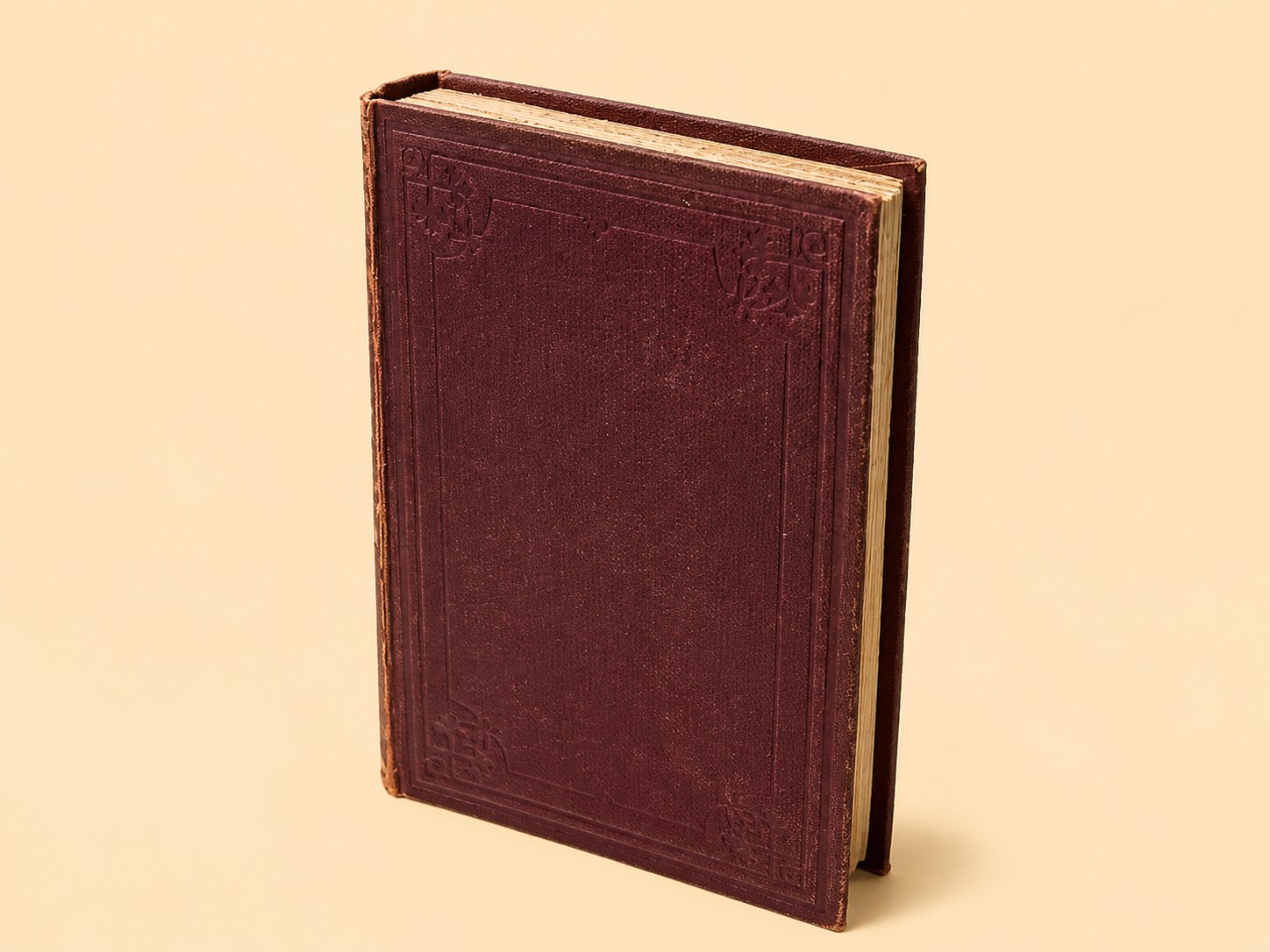
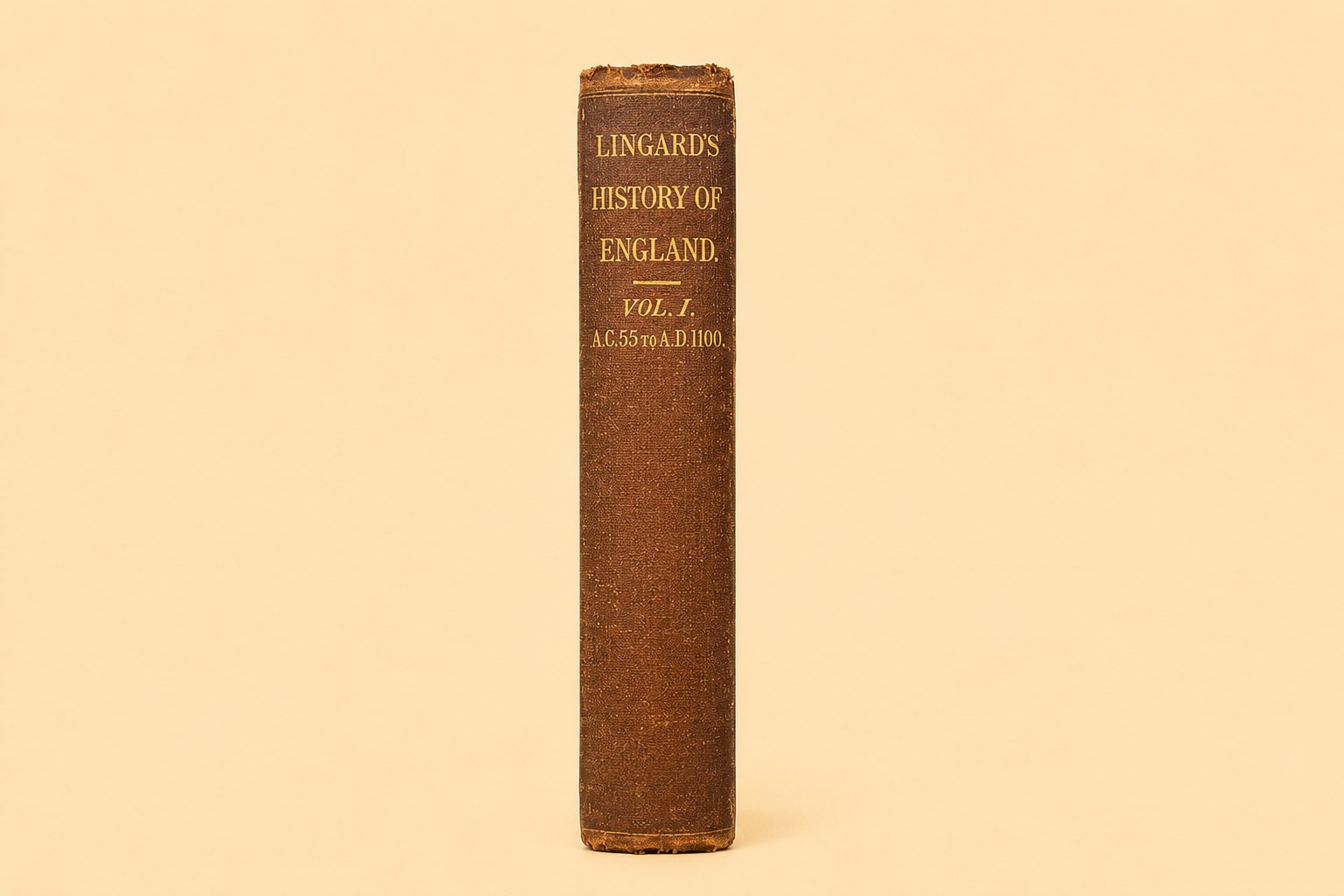
Lingard's History of England, Vol. I
Volume I of Lingard's Catholic history of England — Roman Britain to 1100, the span he knew best, centred on the conversion of the English.

A Private Archive of Antiques & Historical Objects
Books & Literature
Volume I of Lingard's Catholic history of England — Roman Britain to 1100, the span he knew best, centred on the conversion of the English.
A thousand and fifty years in a single volume. Lingard's first volume is the longest reach in the whole History — from the moment a Roman general first waded ashore in Britain to the close of the eleventh century — and it is the stretch he knew most intimately, for he had begun his career as a historian of the early English Church.
The narrative opens with Julius Caesar's two expeditions of 55 and 54 B.C., moves to the Claudian conquest of A.D. 43 and the making of the province of Britannia — Boudica's revolt, Hadrian's Wall, the long Roman peace — and then to the withdrawal of the legions and the Anglo-Saxon settlement of the fifth and sixth centuries. Its spiritual centre is the conversion of the English: the mission of Augustine of Canterbury, sent by Pope Gregory the Great in 597, the parallel labours of the Irish and Northumbrian saints, and the Synod of Whitby of 664. From there the volume tracks the kingdoms of the Heptarchy, the Viking onslaught, the rescue of Wessex by Alfred the Great (r. 871–899), the unification of England under his successors, the brief Anglo-Danish empire of Cnut, the reign of Edward the Confessor, and the cataclysm of 1066 — Stamford Bridge, Hastings, and the Norman settlement under William the Conqueror and William Rufus — closing about A.D. 1100.
No part of the History drew more directly on Lingard's own scholarship. His first published book had been The Antiquities of the Anglo-Saxon Church (1806), and he returned to the conversion period with a documentary range — Bede, the chronicles, the papal correspondence — that few Protestant contemporaries could match. He used the Anglo-Saxon centuries to make a quiet but pointed argument: that English Christianity had been, from Augustine onward, Roman and Catholic, planted by a papal mission and woven into the life of the early kingdoms. For a writer whose larger purpose was to show that English Catholics were not foreign intruders but the heirs of the oldest English faith, this opening volume laid the foundation stone of the whole edifice.
As the first volume it puts the History's method on display at its most assured — narrative built from original sources, "taking nothing on trust" — over the very period Lingard had spent his life studying. It is also the broadest in scope, carrying the reader from prehistory's edge to the Norman world in a single span, and the indispensable opening of a set of which this collection holds nine of ten.
Provenance
Sixth Edition; Charles Dolman, London, 1854–55 (Vol. I title page dated 1855). One of nine volumes held of the ten-volume set (the set lacks only Vol. IX, A.D. 1660–1680). No ownership inscription noted. Part of a 27-book lot acquired February 2026; cost in the Ledger.
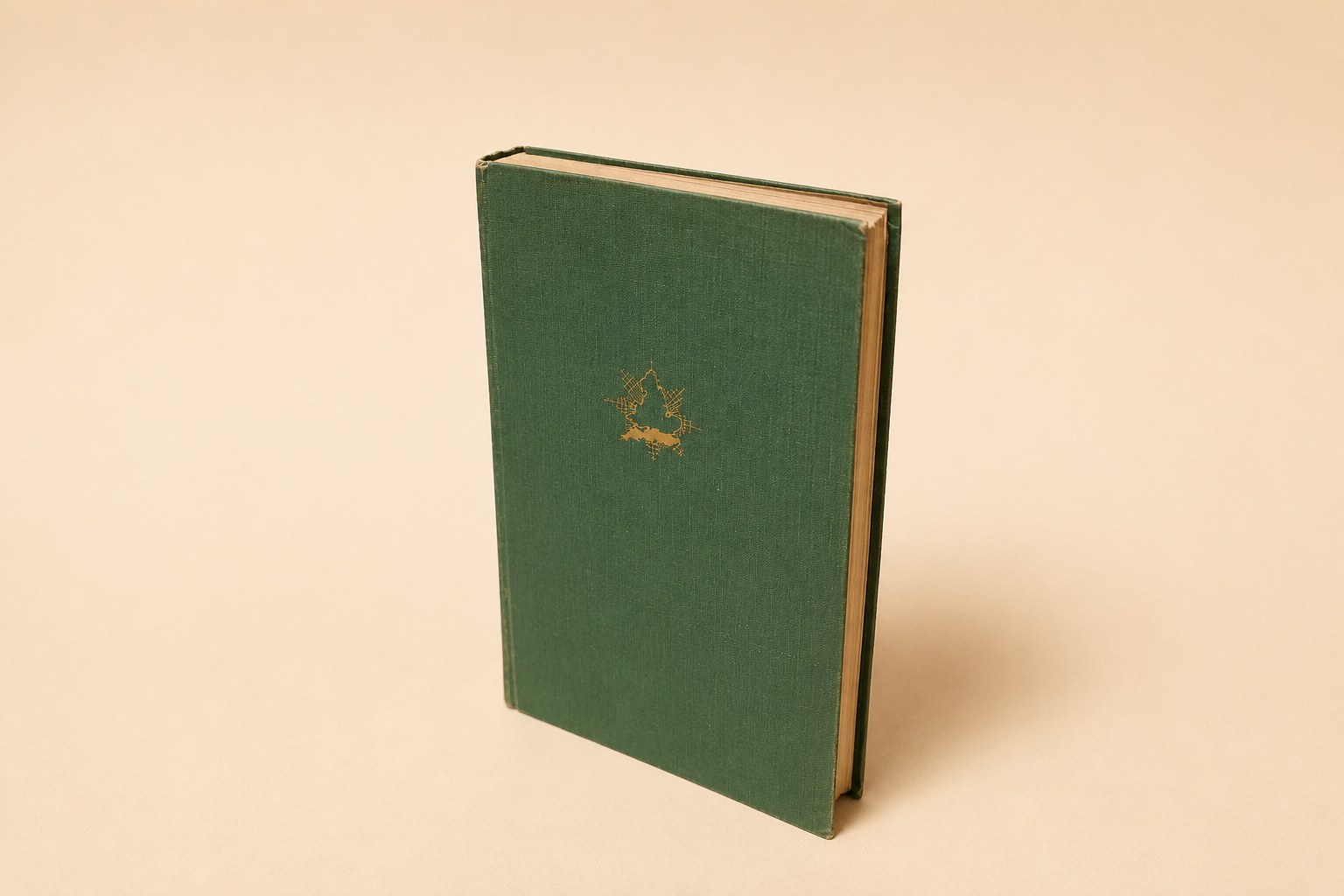
England South
Forty years of sketch-books opened in the year England needed them most: the first volume of Sydney R. Jones's illustrated journey through the southern counties, from London to the very end of Cornwall (1948).
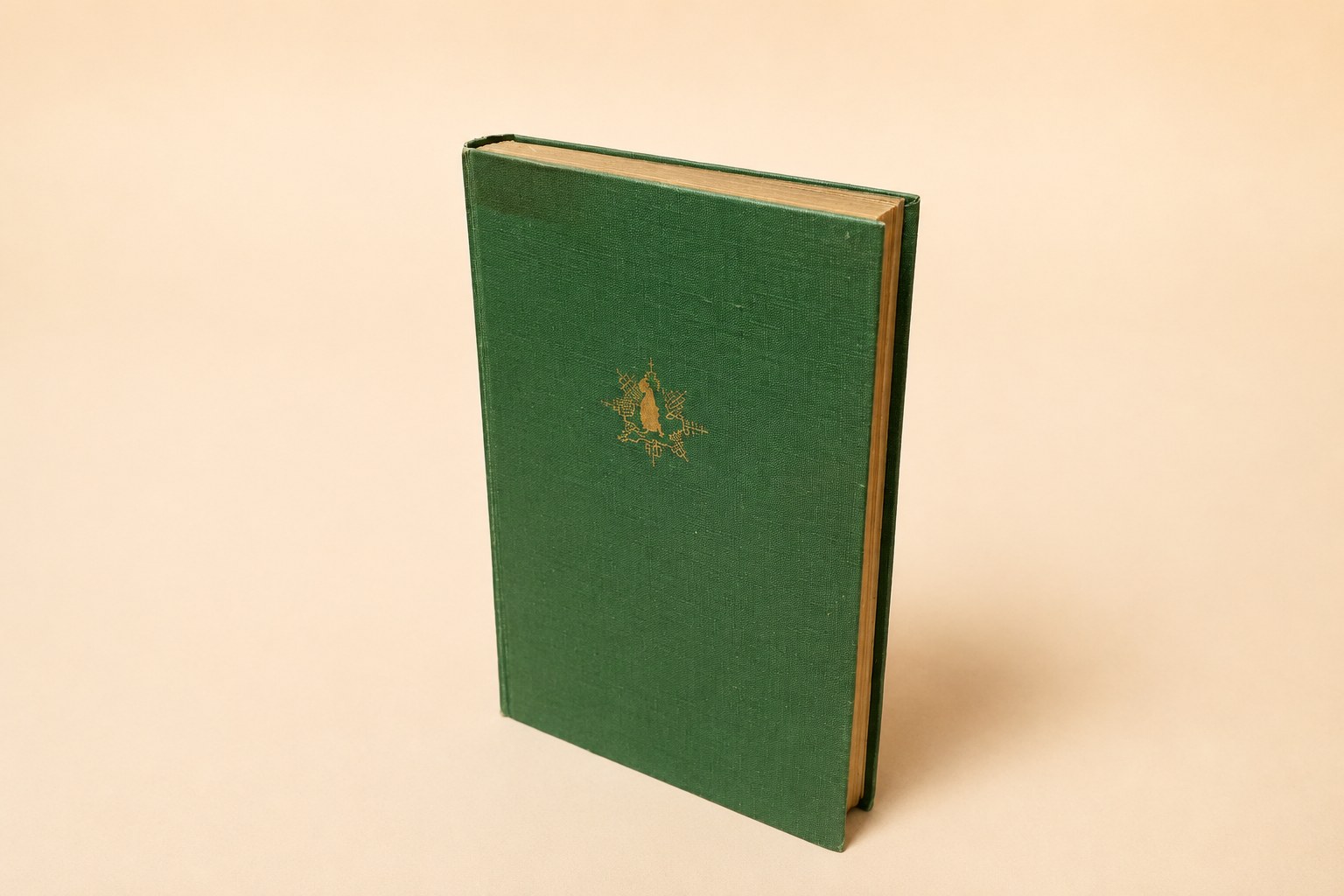
England West
The trilogy's longest journey: Thames to Hadrian's Wall through Cotswold wool churches, Shakespeare country, the Marches, and the industrial North. The richest of the three volumes in architectural range (1950).
England East
The farewell volume: Jones closes his life's work with a journey from the Thames to the Scottish border, saluting Durham coalminers alongside Northumbrian castles, under an epigraph about ashes and graves (1954).